

The Roasterie vs Klatch Roasting: Coffee Comparison
Table of Contents
- The Roasterie vs Klatch Roasting: Overview
- Roasting Profiles and Flavor Characteristics
- Air Roasted Coffee Benefits and Roasting Methods
- Single Origin vs Blend Coffee: What Each Roaster Offers
- How to Choose a Coffee Subscription Model
- Pricing, Value, and Sourcing Transparency
- Which Roaster Wins for Your Brewing Method
- Conclusion: Making Your Choice
- Frequently Asked Questions
Last Updated: September 27, 2026
The Roasterie vs Klatch Roasting: Overview
The choice in roasterie vs klatch roasting comes down to roasting philosophy, sourcing transparency, and what matters most to your daily brew. This guide breaks down the real differences so you can decide which roaster aligns with your taste preferences and values.
The specialty coffee market has shifted dramatically toward transparency and direct relationships with growers. According to the Specialty Coffee Association's sourcing standards, consumers increasingly demand to know where their beans originate and how they're processed. The Roasterie and Klatch Roasting both respond to this demand, though their methods differ significantly. Understanding these differences helps you choose a roaster that matches your brewing method, flavor preferences, and commitment to quality.
Roasting Profiles and Flavor Characteristics
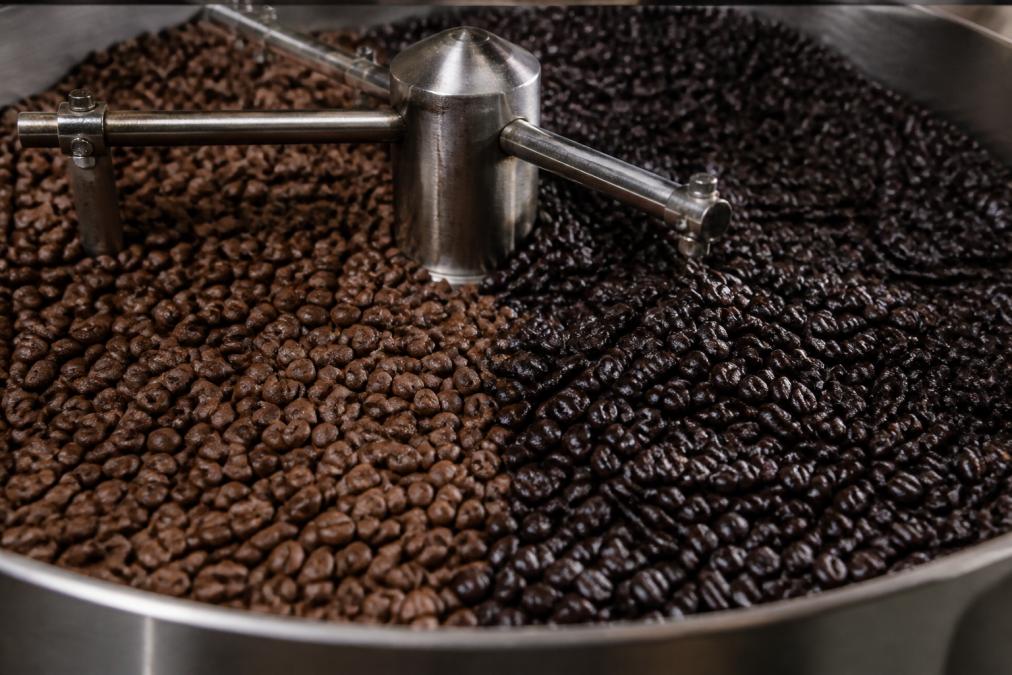
The Roasterie emphasizes a medium roast philosophy, believing that lighter roasts preserve the origin's unique characteristics and the roaster's skill becomes less about masking defects and more about highlighting terroir. Klatch Roasting takes a broader approach, offering everything from light single-origin coffees to bold dark roasts designed for espresso and milk-based drinks.
Direct Flavor Profile Comparison
The Roasterie's signature medium roasts (400-415°F) produce bright acidity, clean finish, and origin-forward tasting notes. Their Ethiopian naturals express berry, floral, and stone-fruit notes with minimal body. Their Central American washed coffees lean toward citrus acidity with chocolate undertones.
Klatch Roasting's roast profiles span a wider range: light roasts (390-400°F) emphasize acidity and complexity; medium roasts (415-425°F) build caramel sweetness and body; dark roasts (425-435°F) develop surface oils, lower acidity, and deeper chocolate and molasses notes. A Klatch dark roast feels heavier on the tongue with less brightness than The Roasterie's medium roasts.
The practical difference: The Roasterie's single origins taste like the farm, altitude and processing method are clear. Klatch's medium roasts add the roaster's hand in sweetness and body. Klatch's dark roasts let the roaster's contribution dominate, with origin characteristics receding.
Acidity and Body Trade-offs
Acidity in specialty coffee is brightness and complexity. The Roasterie's medium roasts preserve more acidity, creating clarity ideal for tasting subtle differences between origins. Klatch's darker roasts neutralize more acids, producing a smoother cup many drinkers find more approachable.
Body correlates directly with roast level. The Roasterie's medium roasts produce light to medium body; Klatch's dark roasts produce full body. Fuller body cuts through milk better; lighter body showcases origin complexity.
Air Roasted Coffee Benefits and Roasting Methods
Air roasting tumbles beans in hot air, creating even heat and shorter roasting times, producing cleaner cups with brighter acidity. Traditional drum roasting builds deeper caramelization and body.
Both The Roasterie and Klatch Roasting use traditional drum roasting, which allows precise control over roasting curves and produces repeatable results with deep flavor complexity.
Air roasting offers cleaner extraction and brighter acidity; drum roasting builds deeper caramelization. The choice depends on the roaster's skill and the coffee's intended profile.
Ask whether a roaster can explain their roasting curve and how it affects the final cup. This transparency signals intentional, repeatable roasting.
Single Origin vs Blend Coffee: What Each Roaster Offers
Single origin coffees showcase unique flavors from altitude, soil, climate, and processing. Blends combine multiple origins for a specific flavor profile or price point.
The Roasterie focuses on single-origin coffees highlighting different regions and processing methods. Klatch Roasting offers both single origins and signature blends.
Single-origin coffees demand more attention during brewing; variables in water temperature, grind size, and brew time become more noticeable. Blends are engineered to be forgiving and deliver consistent flavor across brewing methods.
Crystal Coast Coffee Co.'s Colombia single origin showcases dried orange, berry, and chocolate notes from smallholder farmers in Medellin at 1,300-1,500 meters elevation. Our House Blend combines Central and South American coffees for a smooth, consistent experience across any brewing method.

How to Choose a Coffee Subscription Model
Subscription models vary in flexibility, frequency, and pricing. Some lock you into monthly shipments with cancellation penalties; others allow pausing, skipping, or adjusting frequency without friction.
Ask: Can you pause without losing credits? Can you change frequency? Are you locked into a contract? The best models treat pausing and cancellation as normal choices, not obstacles.
Both roasters offer subscriptions with varying discounts and flexibility. The math only works if you drink the coffee before the next shipment arrives.
Match subscription frequency to your consumption rate. A subscription that matches your actual consumption costs less and tastes fresher because beans spend less time in storage.
| Subscription Factor | What to Look For | Why It Matters |
|---|---|---|
| Frequency Control | Pause, skip, or adjust without penalty | Prevents waste and over-buying |
| Cancellation | No contract; cancel anytime | Flexibility if preferences change |
| Pricing | Discount vs. full price per pound | Determines true cost savings |
| Shipment Speed | Days from roast to delivery | Fresher beans = better flavor |
| Customization | Choose origins or stick with recommendations | Control over variety vs. convenience |
Pricing, Value, and Sourcing Transparency
Specialty coffee pricing reflects roasting quality, sourcing relationships, and freshness. The Roasterie and Klatch Roasting both position themselves in the premium segment.
Sourcing transparency separates roasters who prioritize grower relationships from those buying commodity coffee.
Which Roaster Wins for Your Brewing Method
Roasting profiles should match your brewing equipment. Matching roast level to your brewing device matters more than which roaster you choose.
Pour-Over (V60, Chemex, Melitta)
Pour-over brewing (195-205°F, 2.5-4 minutes) rewards brightness and clarity. The Roasterie's medium roasts are optimized for pour-over. Klatch's light roasts also perform well; their medium and dark roasts will taste muted.
Espresso Machines (9-bar pressure)
Espresso machines force 9 bars of pressure through finely ground coffee (0.75-1.2 mm particle size) in 25-30 seconds. This high-pressure, short-contact method requires roasts with enough body and sweetness to balance extraction. The Roasterie's medium roasts can work in espresso but demand precision: you'll need to dial in grind size carefully, and the shot may taste thin if your machine's pressure is inconsistent.
Moka Pot / Stovetop Espresso
Moka pots use steam pressure (1-2 bars, much lower than true espresso machines) and longer contact time (5-10 minutes). This method benefits from darker roasts because the lower pressure means less extraction force, and you need roasts with enough body and sweetness to compensate. The Roasterie's medium roasts will taste thin and sour in a Moka pot. Klatch's medium and dark roasts perform better.
French Press
French press uses immersion brewing: coarse grounds (1.5-2 mm) steep in 195-205°F water for 4 minutes, then you press a metal filter down. This method extracts oils and sediment, producing full body and heavy mouthfeel. Both The Roasterie and Klatch roasts work well in French press, but they taste different. The Roasterie's medium roasts will taste bright and complex, with origin character clear.
Cold Brew
Cold brew steeps coarse grounds in room-temperature water for 12-24 hours, then filters. This method extracts less acid and more sweetness because cold water dissolves fewer compounds. Any roast level works, but lighter roasts reveal more complexity in cold brew because the extended steeping time extracts delicate flavors that hot water would burn away. The Roasterie's light to medium roasts shine in cold brew.
Conclusion: Making Your Choice
Choosing between The Roasterie and Klatch Roasting depends on whether you prioritize single-origin exploration or blend consistency, whether you want lighter roasts that highlight origin or darker roasts that deliver body, and whether the roaster's sourcing transparency aligns with your values.
Frequently Asked Questions
What is the main difference between The Roasterie and Klatch Roasting?
The Roasterie emphasizes single-origin beans with detailed tasting profiles, whereas Klatch offers a broader range of blends and single-origins. Both are specialty coffee roasters committed to quality sourcing, but their roasting philosophies and product selections differ significantly in how they develop flavor complexity and body.
How do air roasted coffee benefits compare to drum roasting?
Your preference depends on whether you prioritize bright, nuanced flavors or deeper, fuller profiles.
Should I choose a single origin or blend coffee subscription?
Single-origin coffees let you explore specific regions, altitudes, and processing methods, making them ideal if you enjoy tasting how geography and farming practices shape flavor. Blends offer consistency and balance across multiple origins, providing a reliable everyday cup. If you're building a coffee subscription, consider your brewing method: single-origins shine in pour-over or French press, while blends work well for espresso and drip machines. Start with blends for daily drinking, then add single-origins to expand your palate and discover new tasting notes.
What should I look for when choosing a coffee subscription service?
Prioritize roast date transparency and shipping speed, beans should ship within days of roasting to preserve freshness and aroma. Check if the subscription is flexible: can you pause, skip, or cancel without penalties? Compare pricing per pound and whether you can customize roast levels and bean selections. Finally, test their customer service responsiveness before committing to a long-term subscription.
The specialty coffee market rewards roasters who commit to transparency, quality sourcing, and roasting skill. Whether you choose The Roasterie, Klatch Roasting, or Crystal Coast Coffee Co., the decision should reflect your brewing method, flavor preferences, and values around sourcing. Taste your way through options, pay attention to roast dates, and support roasters who can explain their choices. That's how you find coffee that tastes like home.