

Premium Roast Alternatives: Beyond That's Coffee
Table of Contents
- Why Coffee Drinkers Switch From That's Coffee
- What Makes a Premium Roast Worth the Investment
- Best Small-Batch Coffee Roasters for Flavor-Focused Buyers
- Freshly Roasted Coffee Subscription Benefits Explained
- How to Identify High-Quality Coffee Beans
- Roast Levels and Brewing Method Compatibility
- Premium Roast Pricing: What You're Actually Paying For
- Conclusion
- Frequently Asked Questions
Last Updated: September 28, 2026
Why Coffee Drinkers Switch From That's Coffee
Coffee enthusiasts often discover that mass-produced options fall short when they're seeking genuinely fresh flavor, making premium roast alternatives essential for serious drinkers. A premium roast alternative becomes necessary when standard grocery store beans fail to deliver the complexity and aroma that serious drinkers expect.
The reasons people leave behind conventional brands are surprisingly consistent. Freshness matters more than most realize. Coffee begins losing its volatile flavor compounds within days of roasting. When beans sit on warehouse shelves for weeks or months before reaching your cup, you're drinking the shell of what coffee could be. That's the core difference between a thatscoffee alternative for premium roasts and what you've been buying.
Beyond freshness, there's the matter of sourcing transparency. Discerning coffee drinkers want to know where their beans originate, how they were processed, and whether the farmers were treated fairly. Mass-market roasters rarely provide this level of detail. Small-batch roasters, by contrast, often build direct relationships with specific farms and share those stories openly.
What Makes a Premium Roast Worth the Investment
Premium roasts command higher prices because the entire production model differs fundamentally from commodity coffee. The beans themselves start at a higher quality tier, specialty-grade Arabica beans scored 80 points or above on the Specialty Coffee Association cupping scale, compared to commodity-grade beans at 70 points or lower.
The roasting process itself becomes an art form. Small-batch roasters control temperature, airflow, and timing with precision that large commercial operations cannot match. This attention transforms the bean's cellular structure, developing flavor notes and complexity that simply cannot exist in beans roasted in massive drums alongside thousands of others. You're paying for that deliberate control.
Sourcing also adds cost. Direct trade relationships with farms, sustainable farming practices, and transparent supply chains require investment. Single-origin coffees, beans from one specific farm or region, carry premium pricing because they offer traceable origin stories and distinctive flavor profiles tied to altitude, soil, and climate conditions.
The freshness factor compounds the value. Roasted-to-order models mean your beans are roasted days before shipment, not months before purchase. This preservation of volatile aromatics and flavor compounds is impossible to achieve with pre-roasted inventory sitting in distribution centers.
| Factor | Standard Coffee | Premium Roast |
|---|---|---|
| Bean Grade | Commodity (70 pts) | Specialty Arabica (80+ pts) |
| Roasting Method | Large batch, high volume | Small batch, precise control |
| Sourcing | Blended, origin unknown | Single-origin or traceable blend |
| Freshness | Weeks to months old | 7 days post-roast |
| Flavor Complexity | Flat, one-note | Layered, nuanced tasting profile |
Best Small-Batch Coffee Roasters for Flavor-Focused Buyers
When you're seeking a premium roast alternative, the roaster's philosophy matters as much as the final product. Small-batch roasters typically prioritize flavor development over volume, which means they invest time in understanding how each bean variety responds to heat.
Look for roasters who share their sourcing story. Names of specific farms, harvest dates, and processing methods (washed process, natural process, honey process) indicate genuine relationships with origin partners.
Roast-to-order capability is the defining feature of serious small-batch roasters. Crystal Coast Coffee Co. operates on this principle, beans are roasted only after your order arrives, ensuring maximum freshness. This model requires more operational complexity and cannot scale to the volumes that commodity roasters handle.

Freshly Roasted Coffee Subscription Benefits Explained
Subscription models for freshly roasted coffee solve a fundamental problem: the inconsistency of remembering to reorder before you run out. More importantly, they create a predictable supply chain where the roaster knows demand in advance and can roast accordingly.
The freshness advantage compounds over time. Instead of buying a bag when you remember and potentially drinking stale coffee for weeks, a subscription delivers fresh beans on a schedule you control. This flexibility prevents the "subscription fatigue" that occurs when you're locked into receiving the same product whether you want it or not.
The ritual aspect shouldn't be overlooked. Regular coffee delivery creates an anticipated moment of discovery, opening a fresh bag, reading about the origin story, and experiencing a new tasting profile becomes part of the rhythm of your week or month. For coffee enthusiasts, this is a feature, not overhead.
Flexibility in subscription management matters. This prevents the common complaint where subscriptions become a source of frustration rather than convenience.
How to Identify High-Quality Coffee Beans
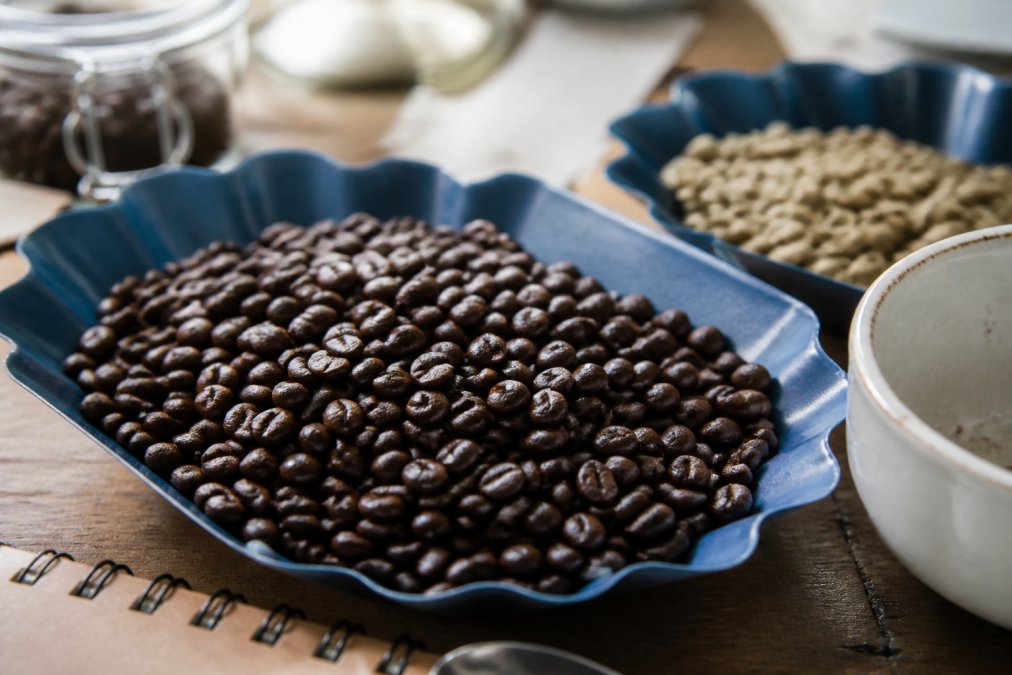
High-quality coffee beans display several visual and tactile characteristics that experienced buyers recognize immediately. The most obvious signal is the roast date. A printed date indicates the roaster takes freshness seriously.
The bean's appearance tells a story. Specialty-grade beans should show consistent color throughout the batch, either uniformly light, medium, or dark depending on roast level. Uneven coloring suggests inconsistent roasting or lower-quality starting material. For darker roasts, a light oil sheen on the bean surface is normal and desirable.
Aroma is the most reliable sensory test. Fresh, quality beans should smell vibrant and complex, not flat or musty. If beans smell stale or lack aromatic intensity, they've aged too long or were roasted poorly. The smell should reflect the roast level: dark roasts smell bold and smoky, while light roasts carry brighter, more delicate notes.
12 Pack Single Serve Coffee Capsules →
The packaging itself provides clues.
Roast Levels and Brewing Method Compatibility
Roast level fundamentally changes how coffee behaves in different brewing equipment. This relationship between roast and method determines whether you'll experience the bean's intended flavor profile or a muddled, over-extracted mess.
Light roasts preserve the bean's origin characteristics most clearly. The acidity levels remain bright, and you taste the specific terroir, the altitude, soil, and climate that shaped the bean. Light roasts work best with pour-over methods (Chemex, V60) and auto-drip machines that allow water to contact the grounds evenly. These methods extract the delicate, nuanced notes without overwhelming them.
Medium roasts offer balance. They retain some origin character while developing deeper body and subtle sweetness. French press and pour-over methods work equally well with medium roasts. The syrupy body that medium roasts develop pairs beautifully with immersion brewing, where grounds steep in hot water.
Dark roasts like French Roast and Italian Roast develop bold, heavy flavors with low acidity. The roasting process itself becomes the dominant flavor influence, overwhelming the bean's origin characteristics. Dark roasts excel in espresso machines, where high pressure and fast extraction pull the oils and bold flavors efficiently. They also work well in French press, where the immersion method fully develops their syrupy body.

The mistake many coffee drinkers make is using a light roast in a French press or a dark roast in a delicate pour-over. The brewing method either over-extracts delicate light roasts (creating harsh, bitter results) or under-extracts dark roasts (leaving them thin and underdeveloped).
Crystal Coast Coffee Co.'s 6 Bean Blend dark roast is great for espresso and French press brewing.
Premium Roast Pricing: What You're Actually Paying For
The price difference between a premium roast alternative and commodity coffee often surprises new buyers. A bag of specialty-roasted coffee might cost two to three times what you'd pay for grocery store beans. Understanding where that money goes reveals why the investment delivers genuine value.
Specialty-grade beans cost more at the farm level.
Sourcing transparency and direct trade relationships require relationship management.
Conclusion
The shift from mass-produced coffee to premium roast alternatives represents a meaningful upgrade in your daily ritual. Freshly roasted specialty-grade beans, sourced with transparency and roasted with precision, deliver flavor complexity that commodity coffee simply cannot match.
Frequently Asked Questions
What defines a premium roast and why is it different from grocery store coffee?
Premium roasts use specialty-grade Arabica beans roasted to order in small batches, ensuring maximum flavor complexity and freshness. Grocery store coffee is typically mass-produced, older, and roasted months before purchase. Premium roasters control roast dates, sourcing transparency, and flavor profiles, delivering single-origin or carefully curated blends with distinct tasting notes rather than generic, flat flavors. Freshly roasted coffee retains aromatic oils and acidity levels that fade over time.
Are there benefits to buying coffee roasted to order?
Yes. Roast-to-order coffee reaches you at peak freshness, typically shipped within days of roasting. This preserves flavor complexity, aroma, and the bean's natural acidity and body characteristics. You avoid the staleness that comes from inventory sitting in warehouses or retail shelves for weeks. Many roasters also offer roast date transparency so you know exactly when your beans were prepared, giving you control over freshness and shelf life expectations.
How do I choose between dark roast, medium roast, and light roast for my brewing method?
Light roasts preserve origin characteristics and acidity, working well with pour-over and auto-drip methods that highlight flavor complexity. Medium roasts balance acidity and body, suiting French press brewers. Dark roasts like French Roast or Italian Roast develop bold, bittersweet flavors with low acidity, ideal for espresso extraction and those preferring heavy, syrupy body. Match roast level to your equipment and taste preference, lighter for nuance, darker for boldness.
What should I look for in a specialty coffee subscription to avoid subscription fatigue?
Look for flexible pause and cancellation options without penalties, adjustable delivery frequency, and the ability to skip months without losing your subscription. Transparency about roast dates and sourcing builds trust. Avoid subscriptions with long-term commitments or automatic billing surprises, your subscription should adapt to your consumption, not force you into excess inventory.
Making the switch to premium roasts transforms how you experience coffee. The ritual becomes richer, the flavor becomes more interesting, and each cup reflects genuine care in sourcing and roasting. Crystal Coast Coffee Co. delivers that experience with roasted-to-order freshness, transparent sourcing, and the coastal spirit that makes every brew an adventure. Order today and discover what truly fresh, expertly roasted coffee tastes like.