

Why Freshly Roasted Coffee Is Better: 2026 Guide
Table of Contents
- Why Freshly Roasted Coffee Tastes Better Than Store-Bought
- The Coffee Degassing Process: Why 'Fresh' Does Not Mean 'Right Now'
- How to Tell If Coffee Beans Are Fresh: 5 Signs to Check
- How Roast Date Affects Extraction, Crema, and Flavor
- Bean Density, Processing Method, and How Fast Coffee Stales
- The Best Way to Store Coffee Beans for Lasting Freshness
- Frequently Asked Questions
Last Updated: September 14, 2026
Why Freshly Roasted Coffee Tastes Better Than Store-Bought
Freshly roasted coffee tastes better because the aromatic compounds that create flavor peak in the days and weeks after roasting, then fade as oxygen and time break them down. At Crystal Coast Coffee Co., we roast to order for exactly this reason: the gap between roast date and brew date is the single biggest variable in your cup.
That gap explains why a grocery-shelf bag can taste flat even when the beans look fine: most supermarket coffee sits in distribution for months, and by then the volatile compounds carrying sweetness, fruit, and floral notes have largely dispersed. Below, we'll show you how to read roast dates, test freshness at home, and store beans so the flavor you paid for reaches your mug.
Aromatic Compounds and Essential Oils
Aromatic compounds are the volatile molecules inside a roasted bean that vaporize when hot water hits the grounds, what your nose reads as flavor. Coffee contains hundreds of them, held in the bean's oils, and the moment roasting ends those oils begin reacting with oxygen.
This is why a medium-light Ethiopian like our Ethiopia Natural tastes like milk chocolate and caramel one week off the roast and like weak tea three months later. Nothing was added or removed. The compounds simply left.

Oxidation and the Loss of Volatile Compounds
Oxidation is the reaction between oxygen and the oils in roasted coffee, and it is the primary driver of staling. It doesn't just mute flavor; it creates new compounds associated with cardboard and stale bread.
Whole beans slow this process because the oils sit inside the bean's cellulose structure; grinding exposes far more surface area to air and accelerates it dramatically (pubmed.ncbi.nlm.nih.gov). Buying pre-ground coffee and storing it in a clear container on the counter can flatten a good roast within two weeks.
The Coffee Degassing Process: Why 'Fresh' Does Not Mean 'Right Now'
The coffee degassing process is the release of carbon dioxide trapped inside beans during roasting, and it is why coffee roasted yesterday often brews poorly. A dark roast can hold several liters of gas per pound immediately off the roaster, escaping gradually over days to weeks depending on how porous the bean structure became.
Brew too soon and CO2 interferes with water contact, causing uneven extraction and a sour, gassy cup. Wait too long and oxidation has taken the good compounds. The answer sits between the two, and it differs by bag.
The Peak Window: A Timeline by Roast Level and Brew Method
The peak window is the range of days after roasting when degassing has settled enough for even extraction but oxidation hasn't yet stripped the aromatic compounds. It shifts with two variables: how dark the roast is, and how you brew it.
By roast level:
- Dark roasts are the most porous, so they degas fastest. They often hit their peak around day 3-5 and begin fading by day 14-21. Drink them sooner rather than later.
- Medium roasts sit in the middle. Peak typically lands around day 5-10, with a comfortable drinking range through roughly day 21-28.
- Light roasts hold their cell structure longest. They often need 7-10 days of rest before they taste balanced, and many stay expressive through day 30-45.
By brew method:
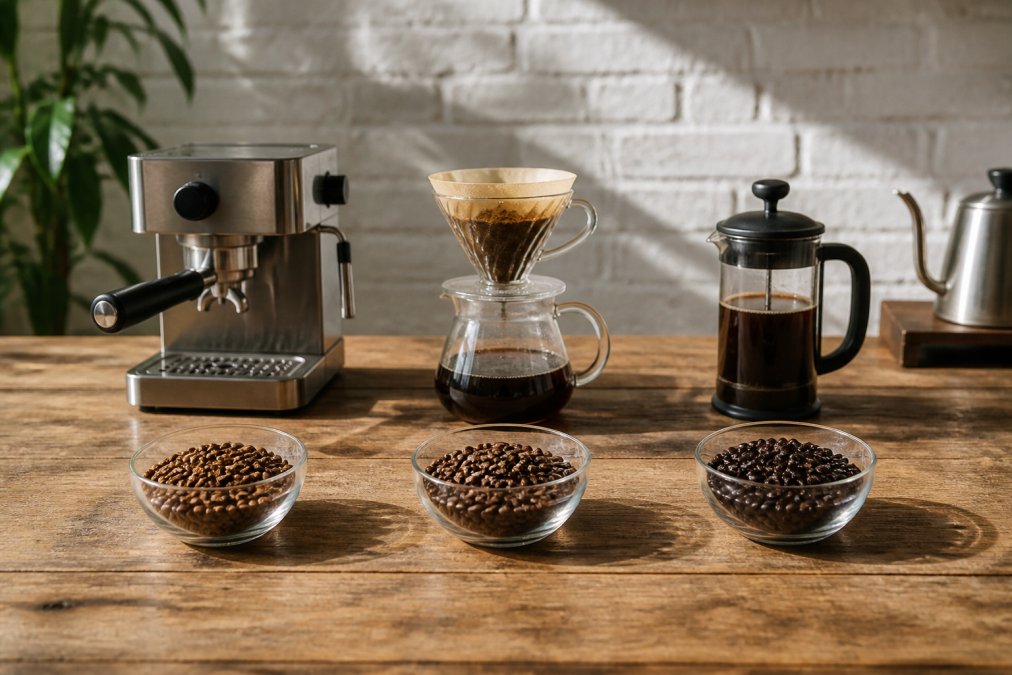
- Espresso is the most sensitive to CO2 because the shot runs in under 30 seconds. Beans that are too fresh choke the puck and pull sour. Espresso usually wants 7-14 days of rest for light and medium roasts, and 3-7 days for dark roasts.
- Pour-over and drip are more forgiving. A 4-10 day rest is usually enough for a clean, even extraction.
- Immersion methods like French press and cold brew tolerate fresher beans better, since longer contact time lets the CO2 escape mid-brew. A 2-5 day rest is often workable.
A practical way to think about it: the faster your brew, the more rest the bean needs. Espresso needs the most patience; cold brew needs the least.
How the Window Shifts With Density and Processing
Two more variables move the timeline, and most articles skip them entirely.
Bean density. High-altitude beans are denser and hold their structure, and volatile compounds, longer than low-grown beans, staying in peak window a week or more beyond a softer bean of the same roast level (The Growing Altitude Influences the Flavor Precursors, Sensory Characteristics and...).
Processing method. Washed coffees present cleaner acidity and hold up predictably. Natural-process coffees carry more fruit-forward compounds that are vivid early and fade faster once oxidation sets in, so drink them closer to the front of the window.
How to Tell If Coffee Beans Are Fresh: 5 Signs to Check
You can tell if coffee beans are fresh by checking the roast date, smelling the bag, examining the bean surface, listening for a crack, and running a bloom test. The five signs, in order of reliability:
- A printed roast date, not a "best by" date. Best-by dates say nothing about when the coffee was roasted.
- A strong aroma when you open the bag. Fresh beans release a noticeable scent; stale beans smell flat or papery.
- Slightly oily or matte bean surfaces rather than dry, cracked-looking beans.
- A sharp cracking sound when you bite a bean. Fresh beans snap; stale beans crumble.
- A vigorous bloom when hot water hits the grounds.
The Bloom Test: A Quick Freshness Check
The bloom test measures how much carbon dioxide is still trapped in your grounds. Put two tablespoons of ground coffee in a mug, pour hot water over them, and watch.
Fresh coffee swells and bubbles actively for 20 to 30 seconds; coffee that barely reacts has already degassed and is usually past its peak (Effect of Temperature and Storage on Coffee’s Volatile Compound Profile and Sensory...). The bloom tells you what a roast date can't: how the beans were stored.
| Sign | What Fresh Looks Like | What Stale Looks Like |
|---|---|---|
| Roast date | Printed, within 3 weeks | Missing or "best by" only |
| Aroma | Strong, sweet, complex | Flat, papery, faint |
| Bean surface | Slightly oily or matte | Dry and cracked |
| Bean snap | Sharp crack | Crumbles |
| Bloom | Vigorous bubbling | Little to no reaction |
How Roast Date Affects Extraction, Crema, and Flavor
Roast date directly changes how your coffee extracts, because carbon dioxide and oxidation pull extraction in opposite directions. Very fresh coffee resists water and extracts unevenly. Very old coffee extracts too easily and tastes hollow. Understanding the mechanism lets you dial in instead of guessing.
Why Fresh Coffee Extracts Unevenly
When hot water hits freshly roasted grounds, trapped CO2 releases and pushes water away from the coffee bed. In pour-over, the bed bubbles aggressively and drains unevenly; in espresso, the gas creates back-pressure so the shot runs slow, then gushes as channels open. The result tastes simultaneously sour (under-extracted) and thin.
As the bean rests and CO2 escapes, water contact becomes uniform, extraction evens out, and sweetness and body come forward. That's why a bag that tasted flat on day 2 can taste rich on day 9.
Dialing In by Roast Date
Grind size is your main lever, and it should move with the calendar:
- Days 1-4 (very fresh): grind noticeably coarser than your normal setting to compensate for the CO2 resistance. Expect to adjust again within a few days.
- Peak window: return to your standard grind. This is where your recipe should taste its best.
- Past peak: you may need to grind finer to pull flavor from beans that have lost volatile compounds, but no grind setting brings back what oxidation has already taken.
A common pattern is to re-dial the grinder every few days during the first two weeks of a bag. Once the beans settle, the recipe stabilizes.
Crema as a Freshness Signal
Crema is the foam layer on an espresso shot, largely CO2 and oils emulsified by pressure, one of the most visible freshness indicators you have.
- Peak-window beans pull a thick, persistent crema that holds together for a minute or more and shows a warm, even color.
- Very fresh beans can produce a crema that is foamy and unstable, it looks impressive but collapses quickly and often tastes sharp.
- Aging beans produce progressively thinner, darker crema. By the time crema goes flat and pale, the shot has usually lost body and sweetness too.
If your crema has gone flat, check the roast date before blaming your machine. A grinder or machine issue usually shows up as inconsistency across bags; a freshness issue shows up as a steady decline within one bag.
Flavor Changes You Can Track Day by Day
Brew the same recipe daily from one bag and you can taste the arc:
- Days 1-3: sharp, gassy, sometimes sour. Aromatics are intense but the cup is unbalanced.
- Peak window: sweetness, acidity, and body align. This is the cup the roaster intended.
- Early decline: aromatics soften first, then acidity flattens. The cup tastes pleasant but less distinct.
- Late decline: cardboard and papery notes appear as oxidation compounds build. Body thins and the finish goes flat.
Tracking this arc on one bag teaches you more than any chart, because it calibrates your palate to your own beans, water, and brew method.
Bean Density, Processing Method, and How Fast Coffee Stales
Bean density and processing method change how quickly coffee stales, and both are usually ignored. Dense high-altitude beans hold their structure and volatile compounds longer than low-grown beans.
Processing matters just as much. Washed coffees present cleaner acidity and hold up over several weeks. Natural-process coffees, like our Tanzania with its pear and jasmine notes, carry more fruit-forward compounds that fade faster if left exposed.

The practical takeaway: don't apply one storage timeline to every bag. A washed medium roast and a natural light roast age at different rates, so treating them the same means one peaks while you're still finishing the other.
The Best Way to Store Coffee Beans for Lasting Freshness
The best way to store coffee beans is in an airtight, opaque container at room temperature, away from light, heat, and moisture. Block all four staling enemies and you extend the peak window considerably.
A few storage rules that hold up in practice:
- Keep beans whole until you brew. Grinding early is the fastest way to lose aroma.
- Use a container with a one-way valve so CO2 can escape without letting oxygen in.
- Skip the fridge for daily use. Condensation cycles damage beans more than they help.
- For longer storage, vacuum sealing and freezing work well if the beans go in airtight and come out once.
Vacuum sealing removes the oxygen that drives oxidation, outperforming a simple clip on a rolled bag. If you finish a bag in two weeks, a valve-equipped canister on the counter is enough; if you buy in bulk, freeze in single-week portions.
Our Guatemala and Whiskey Barrel Aged both ship within days of roasting, which means they arrive inside their peak window rather than past it.

Freshly roasted coffee is better because it still has the aromatic compounds, oils, and structure that time and oxygen destroy, and the difference shows up in extraction, crema, and flavor. The hard part is timing: brew too early and CO2 fights you, wait too long and oxidation wins.
Crystal Coast Coffee Co. roasts to order so your beans arrive inside their peak window, not months past it. Every bag ships with a printed roast date, our single-origin lineup covers washed and natural processes, and our subscription is built to flex with how much you actually drink. Get started with Crystal Coast Coffee Co. and taste what coffee is supposed to taste like at its peak.
Frequently Asked Questions
How long should you wait to drink freshly roasted coffee?
Most coffees hit their best flavor between 4 and 14 days after the roast date. During the first few days, the coffee degassing process releases carbon dioxide, which can make espresso taste sour and thin. Light roasts often need 7 to 14 days of rest, while dark roasts may peak around 3 to 7 days. After that peak window, oxidation gradually flattens the flavor profile, so aim to finish the bag within 3 to 4 weeks.
What are the signs of stale coffee beans?
Stale beans lose their aroma, look dull rather than slightly oily, and produce almost no bloom when hot water hits the grounds. The brewed cup tastes flat, papery, or bitter without sweetness. Check the roast date on the bag: if it is missing or more than 6 weeks old, the coffee has likely passed its peak. Whole beans stored in an airtight container away from light hold up better than pre-ground coffee.
Does coffee freshness impact the health benefits of the brew?
Freshness mainly affects flavor and aroma, but it does influence what ends up in your cup. Oxidation degrades the essential oils and aromatic compounds that give coffee its character, and older beans can taste stale even if caffeine levels stay roughly stable. For the most enjoyable cup, buy whole beans with a clear roast date and grind right before brewing. Store them in an opaque, airtight container to slow oxygen exposure.
What is the difference between roast-to-order and store-bought coffee?
Roast-to-order coffee is roasted after you place your order and shipped within days, so it arrives well inside its peak window. Store-bought bags often sit in warehouses and on shelves for weeks or months before purchase, and many carry only a 'best by' date instead of a roast date. That gap matters: freshly roasted coffee retains more aromatic compounds, produces a richer bloom, and delivers a fuller flavor profile in every brew method.