

Klatch Roasting vs The Roasterie: Which Roaster Wins?
Table of Contents
- Klatch Roasting vs The Roasterie: A Direct Comparison
- Best Light Roast Coffee Roasters: Which Excels?
- Single-Origin Coffee Beans: Sourcing and Selection
- Coffee Roast Levels Explained: Understanding Their Offerings
- Freshness and Roast Dates: What Really Matters
- Coffee Subscription Comparison: Flexibility and Value
- Which Roaster Should You Choose?
- Frequently Asked Questions
Last Updated: October 12, 2026
Klatch Roasting vs The Roasterie: A Direct Comparison
When you're serious about specialty coffee, the roaster you choose matters as much as the beans. In the discussion of klatch roasting vs the roasterie, two names that come up frequently are Klatch Roasting and The Roasterie. Both source exceptional single-origin coffees and roast with intention, but they approach their craft differently, and understanding those differences helps you pick the roaster that aligns with how you brew and drink.
At Crystal Coast Coffee Co., we've spent considerable time analyzing what separates roasters in specialty coffee: freshness protocols, roast philosophy, bean sourcing, and transparency. Klatch Roasting and The Roasterie each excel in different areas. One prioritizes roast-to-order speed and experimental profiles; the other emphasizes consistency and a curated, rotating selection. Neither is objectively "better", it depends on what you value in your morning cup.
Below, we compare the questions most coffee enthusiasts ask: Which roaster's single-origin selections are fresher? Whose espresso holds up better? How do their subscriptions work? And which should you order from first?
Best Light Roast Coffee Roasters: Which Excels?
Light roasts reveal what a coffee bean actually wants to say, preserving origin characteristics, altitude, fermentation method, terroir, that medium and dark roasts often mask. Both Klatch Roasting and The Roasterie offer light roasts, but their philosophies diverge.
Klatch Roasting pushes light roasts toward brightness and acidity, highlighting floral and fruity notes that emerge when you stop the roast early. If you're drawn to wine-like characteristics or pronounced berry tones, their light roasts deliver consistently. The trade-off: they can feel sharp to some palates and aren't forgiving if your water temperature is off or your brew time drifts.
The Roasterie's light roasts aim for a middle ground between clarity and smoothness. They don't chase maximum acidity, roasting to a point where origin character shines without a thin or overly bright cup, appealing to drinkers who want to taste origin without concentrated citrus juice.
For pour-over and filter, Klatch's lighter touch works beautifully. For espresso drinks where origin notes must cut through milk, The Roasterie's slightly fuller light roasts often perform better. Neither is objectively superior, it's whether you prefer origins bright and assertive or clear and approachable.
Single-Origin Coffee Beans: Sourcing and Selection
Single-origin coffees are where specialty roasters prove their sourcing relationships. Direct sourcing, harvest timing, and lot selection separate the committed from the casual.
Klatch Roasting rotates their single-origin selection frequently, sometimes monthly, working with producers across Africa, Central America, and Asia. The upside: seasonal offerings and micro-lots a static catalog wouldn't have. The downside: a coffee you love may disappear before you can reorder.
The Roasterie maintains a stable core of single-origins plus seasonal limited releases, prioritizing consistency, signature African coffees and go-to Central American selections are available year-round. They also publish tasting notes and cupping scores, helping you predict flavor before you buy.
For discovery and experimentation, Klatch's rotating selection feels like an adventure. For reliability, reordering a favorite three months later, The Roasterie's model works better. Crystal Coast Coffee Co. leans toward the latter: we source carefully and keep selections available long enough to build a relationship with a coffee.
Coffee Roast Levels Explained: Understanding Their Offerings
Roast level is the easiest variable to compare across two roasters, yet most write-ups stop at "light is bright, dark is chocolatey." The useful comparison is which coffees each roaster sells at each level, how they're meant to be brewed, and what you give up moving up or down the scale.
Light roasts (dropped at or just after first crack). These preserve origin character: higher acidity, floral and fruit-forward notes, lighter body.
Medium roasts (between first and second crack). The balance point: origin flavor plus roasted sweetness, moderate acidity, fuller body. The Roasterie's catalog leans here, and their medium roasts are the most approachable entry point off grocery-store coffee. Klatch roasts medium profiles too, but often as a bridge to more experimental lots.
Medium-dark and dark roasts (into and past second crack). Roasted sugars dominate: cocoa, caramel, toasted nuts, lower acidity, heavier body. Klatch's darker espresso-oriented profiles push further into this range and can show surface oil, normal for a dark espresso roast, but a sign to use it within a few weeks.
Espresso-specific profiles. Espresso roasts are engineered for pressure and short contact time, not filter brewing. Klatch's tend darker and more developed, helping them cut through milk in a latte or cappuccino. The Roasterie's are typically a touch lighter, designed to pull balanced without turning bitter if your grind is slightly off.
A practical test: order one light and one medium coffee from each roaster, brew all four with the same water temperature, ratio, and grind, and taste side by side over two days. Roast level differences show up immediately; brand differences show up in the details, sweetness, clarity, and how the coffee holds up as it cools. That side-by-side method is the comparison most reviews skip.
Freshness and Roast Dates: What Really Matters
Freshness in specialty coffee doesn't mean "roasted yesterday." It means roasted recently enough that the coffee still tastes like the roaster intended.
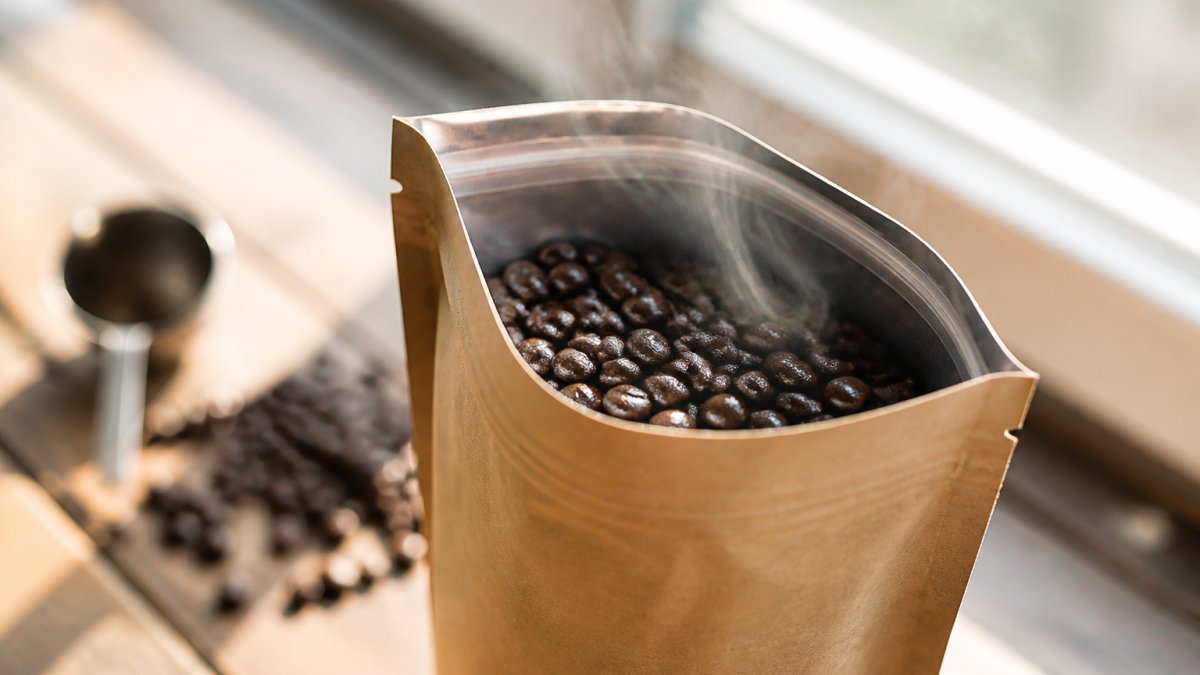
Klatch Roasting publishes roast dates on every bag and emphasizes roast-to-order speed; many offerings ship within days of roasting.
The Roasterie also includes roast dates, but roasts regularly and maintains inventory, so your coffee might arrive 5-7 days old, still fresh, but not "roasted yesterday" fresh. For darker roasts and espresso blends this matters less; for light roasts and single-origins it's noticeable.
The real question isn't which roaster is fresher in absolute terms, but which freshness strategy matches your brewing method. Pour-over drinkers chasing clarity will prefer Klatch's aggressive freshness; espresso or French press drinkers who prefer a settled coffee will find The Roasterie's approach fine.
One practical note: coffee continues to evolve for 2-4 weeks after roasting. Peak flavor window depends on roast level and brewing method. Light roasts peak faster than dark roasts. This is why roast date matters more than the roaster's name.
Coffee Subscription Comparison: Flexibility and Value
Subscription terms change, so confirm any specific price or discount at checkout. What doesn't change is each program's structure, and that determines whether a subscription saves you money or locks you into coffee you didn't want.
How the two models differ. Klatch Roasting's subscription is built around rotation: pick a frequency and quantity, and the coffees change over time. Ideal for exploring a roaster's range without choosing each bag, but you can't guarantee a specific origin in a given month. The Roasterie's is built around preference matching: indicate the styles you like, light roasts, single-origins, espresso blends, and shipments are selected to fit. More predictable, and better if you've found a profile you want to keep drinking.
The variables that actually matter. When you compare any two coffee subscriptions, check these five things before you commit:
- Cadence flexibility. Can you switch between weekly, biweekly, and monthly without canceling and restarting? Both programs generally allow frequency changes, but the mechanics differ, so confirm before your first renewal.
- Skip and pause rules. A subscription you cannot pause is a subscription you will resent during a vacation or a busy month. Look for an explicit pause option rather than a cancel-and-rejoin workaround.
- Bag size and grind. Whole bean versus pre-ground matters for freshness, and bag size determines your effective cost per cup. A 12-ounce bag at a lower price can cost more per cup than a 16-ounce bag at a higher one.
- Roast-date guarantee. The best subscription is worthless if the coffee arrives three weeks off roast. Ask whether bags ship within days of roasting or from standing inventory.
- Cancellation terms. No-notice cancellation is the standard to look for. If you have to email support to stop a shipment, factor that friction into your decision.
The value question. Subscription discounts in specialty coffee are typically modest, single-digit to low-double-digit percentages versus one-off orders. The real value isn't the discount but convenience, freshness, and not having to remember to reorder. If a discount is your only reason to subscribe, buy single bags on your own schedule instead.
Which to choose. If you want variety and are comfortable being surprised, Klatch's rotating model delivers more discovery per dollar. If you want a reliable rotation of styles you already like, The Roasterie's preference-based model is lower-risk. Either way, start with a single bag before subscribing, one bag tells you more than any comparison table.
Which Roaster Should You Choose?
Both Klatch Roasting and The Roasterie are legitimate specialty roasters producing quality coffee. Your choice depends on what you value.
Choose Klatch Roasting if:
- You like experimenting with different coffees and don't mind surprises
- You brew pour-overs or filter methods where brightness is an asset
- You want the absolute freshest coffee possible, roasted within days of your order
- You enjoy exploring roast profiles and want access to experimental offerings
- You're willing to track down a favorite coffee if it rotates out of stock
Choose The Roasterie if:
- You prefer consistency and want to reorder coffees you love
- You make espresso drinks or French press where a settled coffee works better
- You value detailed tasting notes and cupping scores before buying
- You want a more curated, edited selection rather than constant rotation
- You appreciate a roaster that shows restraint rather than pushing every coffee to the extreme
The real differentiator isn't roast quality, both roasters produce excellent coffee. It's philosophy. Klatch Roasting is the adventurous roaster. The Roasterie is the refined curator.
If you want coffee that balances freshness with consistency, try both: order a single bag from each, brew with your preferred method, and see which resonates. The best roaster is the one whose coffee you actually want to drink every morning.
Finding your ideal specialty coffee roaster is personal. At Crystal Coast Coffee Co., we approach roasting with careful sourcing, intentional roast profiles, and transparency about our process. We roast to order to ensure maximum flavor and freshness in every batch. Whether you're comparing roasters or ready to experience what fresh, locally-inspired coffee can taste like, we're here to help you discover your next favorite cup. Explore our collection of single-origin and blended options, and join our community of coffee enthusiasts.
Frequently Asked Questions
What is the difference between Klatch Coffee and The Roasterie?
Klatch Roasting specializes in single-origin specialty coffee with a focus on lighter roast profiles and precise roasting techniques. The Roasterie emphasizes a broader range of roast levels and blends alongside single-origin options. Both are specialty coffee roasters committed to freshness, but they differ in roasting philosophy, bean sourcing regions, and subscription flexibility. Your choice depends on whether you prefer lighter, more nuanced flavor profiles or a wider variety of roast options.
Which roaster has the best light roast coffee?
Both roasters produce quality light roasts, but they approach them differently. Klatch Roasting is known for highlighting origin characteristics in light roasts, emphasizing clean cup profiles and complex flavor notes. The Roasterie offers light roasts with more accessibility for everyday brewing. The 'best' depends on your brewing method and taste preference, pour-over and specialty brewing methods often showcase Klatch's lighter profiles, while The Roasterie's light roasts work well across multiple brew methods.
How do Klatch Coffee and The Roasterie compare in pricing and shipping?
Pricing and shipping terms vary based on order size, frequency, and subscription selections. Both roasters offer subscription flexibility, though terms differ. Contact each roaster directly for current pricing and shipping costs to your location, as these factors change seasonally and based on bean sourcing. Consider comparing subscription pause options and cancellation policies, as these affect long-term value.
Which coffee roaster offers more single-origin beans?
Klatch Roasting maintains a rotating selection of single-origin coffees from diverse growing regions, with emphasis on African and Central American origins. The Roasterie also features single-origin beans but balances them with signature blends. Both update their selections seasonally. If single-origin variety is your priority, check each roaster's current catalog to see which matches your preference for bean origin diversity and availability.