

Is a Coffee Subscription Worth the Cost? (2026 Guide)
Table of Contents
- What a Coffee Subscription Actually Costs vs. Retail
- Freshness and Roast Dates: The Real Value of Delivery
- How to Choose a Coffee Subscription That Fits Your Habits
- Coffee Subscription Frequency Guide: Avoid Waste and Pantry Piles
- Best Coffee Roasters for Home Delivery: Sample Before You Commit
- Hidden Costs and Friction: Cancellation, Shipping, and Storage
- Conclusion: Is a Coffee Subscription Worth It for You?
- Frequently Asked Questions
Last Updated: September 7, 2026
What a Coffee Subscription Actually Costs vs. Retail
The question of whether a coffee subscription is worth the cost usually comes down to one number: the price per bag. Many drinkers see a $20 bag of beans from a specialty roaster and compare it to the $8 bag at the grocery store, concluding the subscription is a markup. That comparison skips the most important variable: what is actually inside each bag.
A standard 12-ounce bag of specialty coffee at $20 yields roughly 17 cups at a typical ratio of 2 tablespoons per 6-ounce cup, landing near $1.18 per cup (ncausa.org). A grocery-store bag at $8 produces the same 17 cups at about $0.47 per cup. The difference is $0.71 per cup, less than a single Keurig pod, which typically runs $0.70 to $1.25 each.
The real comparison is subscription versus the other ways you already pay for better coffee. A single latte costs $5 to $7. If a subscription replaces even two cafe visits per week, the $20 bag pays for itself before you finish it.
A coffee subscription is a recurring delivery of freshly roasted beans from specialty roasters who prioritize quality and transparency over volume. The price difference reflects real differences in sourcing practices like direct trade, harvest selection, and supply chain speed. When you buy from a roaster who ships within days of the roast date, you are paying for a product at its peak, not one that has sat in a warehouse for months.
Entry-level subscriptions from large online retailers run $12 to $16 per 12-ounce bag, often commodity-grade beans roasted in bulk with a roast date weeks old by the time they ship. Mid-tier subscriptions from regional roasters run $16 to $22 per bag with traceable sourcing and roast-to-order fulfillment. Premium subscriptions can exceed $30 per bag, reflecting microlot harvests, experimental processing, and limited availability, not just delivery convenience.
At Crystal Coast Coffee Co., we roast to order, which means your beans are roasted after you place your order rather than pulled from inventory that has been aging on a shelf. This approach changes the value proposition entirely because you receive coffee at its maximum flavor potential.
The hidden variable is waste. If you throw away a third of a $20 bag because it went stale, your effective cost per cup jumps to $1.77. If you drink every gram of an $8 grocery bag because you cannot detect staleness, your cost stays at $0.47. The subscription is only worth the premium if you finish the bag within its flavor window.
Freshness and Roast Dates: The Real Value of Delivery
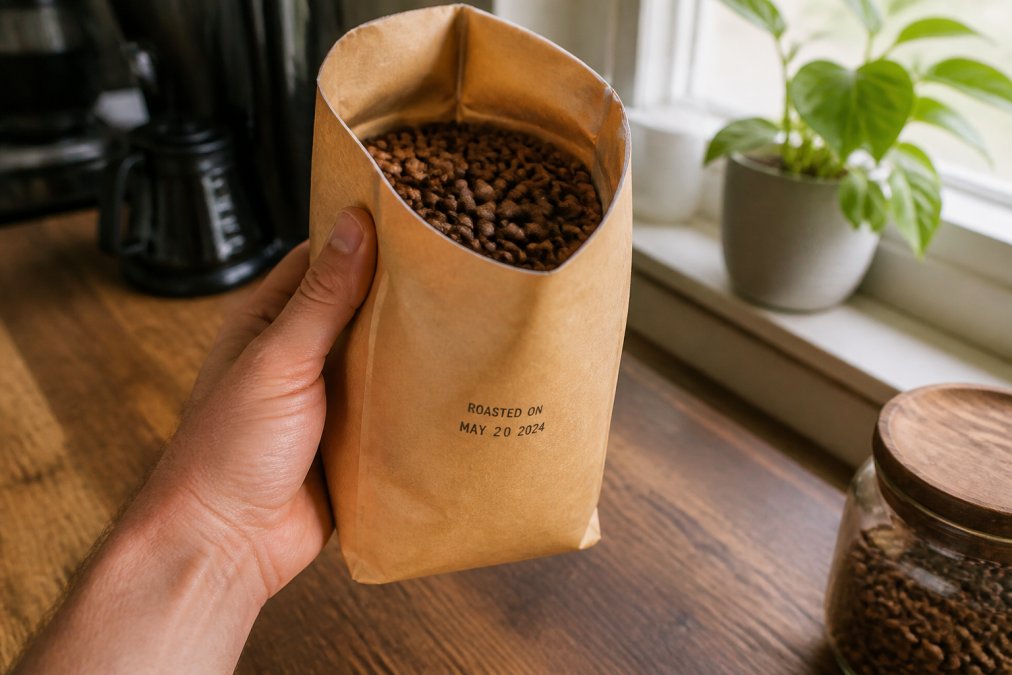
The roast date is the single most important number on any bag of specialty coffee, and it is the reason subscriptions exist. Coffee is perishable: the volatile oils and aromatic compounds that create flavor begin degrading immediately after roasting, fastest in the first days.
Most grocery store coffee carries no roast date, only a "best by" date that can be a year or more in the future, and was likely roasted months before it reached the shelf. A subscription from a roaster who roasts to order collapses that gap to days, the strongest reason a coffee subscription is worth the cost for anyone who can taste the difference.
Bags that are sealed with no oxygen inside, as our single serve capsules are, extend that freshness window considerably. But for whole bean and pre-ground coffee, the rule of thumb is simple: buy smaller amounts more often, and finish each bag within two to three weeks of the roast date.
How to Choose a Coffee Subscription That Fits Your Habits
Choosing a subscription starts with an honest assessment of how much coffee you actually drink, not how much you wish you drank. The right delivery schedule matches your consumption rate; getting this wrong is the leading cause of subscription fatigue.
A typical home brewer consumes between a quarter and half a pound of whole bean coffee per week. If you brew a single 12-ounce cup each morning, a 12-ounce bag lasts roughly two weeks. If you brew a full pot for two people, that same bag is gone in four or five days.
Match the Roast Profile to Your Brewing Method
Your brewing method should dictate the roast level and grind size. Dark roasts suit espresso and full-immersion methods like the French press because their bold flavors cut through milk and hold up to longer steep times. Medium and light roasts shine in pour-over and drip brewers, where brighter notes like citrus and cocoa come through.
If you are picky about flavor, a sample pack is the smartest first move before committing to a recurring order of a single bean. Sampling lets you test several single origin coffees or flavored options without building a pantry full of bags you may not enjoy.

Coffee Subscription Frequency Guide: Avoid Waste and Pantry Piles
A coffee subscription frequency guide helps you match delivery intervals to your actual consumption, preventing bags from piling up. But most guides stop at a simple table. The deeper problem is that subscription services are designed to sell on a schedule that suits their fulfillment logistics, not your drinking patterns. Understanding coffee staling and cancellation friction separates a subscription that saves you money from one that drains it.
Calculate Your True Consumption Rate First
Start with a two-week audit before committing to any delivery schedule. Track how many cups you actually brew per day, not how many you intend to brew. Be honest about travel days and days you buy coffee out. Most practitioners find self-reported consumption runs 20 to 30 percent higher than actual.
One 12-ounce bag contains roughly 340 grams. A standard drip ratio of 60 grams per liter translates to about 15 grams for a 250-milliliter cup, yielding approximately 22 cups per bag. If you brew a stronger ratio, common in pour-over and French press, you may use 20 to 25 grams per cup, dropping the yield to 14 to 17 cups.
| Your Weekly Intake | Bag Size | Suggested Delivery Frequency | Risk If You Over-Order |
|---|---|---|---|
| 1-2 cups per day | 12 oz | Every 2 weeks | Staling before you finish |
| 3-4 cups per day | 12 oz | Weekly | Pantry pile-up if you skip days |
| 5+ cups per day | 2 lb or 60 capsules | Weekly | None, if consumption is steady |
| Occasional drinker | Sample packs | One-time, no subscription | Waste and subscription fatigue |
The Staling Clock Is Shorter Than You Think
Whole bean coffee holds peak flavor for roughly two to four weeks after roasting, assuming proper storage. Once you open the bag, the clock accelerates: volatile compounds begin oxidizing within minutes. Within 24 hours, noticeable degradation begins. By day seven, most delicate floral and citrus notes are gone, leaving only heavier chocolate and nut characteristics. By day fourteen, even those flatten into generic bitterness.
Ground coffee stales even faster. Grinding increases surface area exposed to oxygen by a factor of hundreds, so pre-ground coffee loses peak flavor within three to five days of grinding, regardless of roast date. If you buy pre-ground coffee on a subscription, you need a cadence that matches a five-day flavor window, not a three-week one.
The Cancellation Friction Problem Nobody Mentions
Subscription fatigue is not just about receiving too much coffee; it is about the difficulty of stopping or pausing a delivery. A 2023 C+R Research survey found the average consumer underestimates monthly subscription spending by $133, and difficulty canceling is a top three reason consumers abandon subscription services.
Before you commit, read the cancellation policy as carefully as the tasting notes. Look for three things: whether you can pause a delivery without canceling; whether cancellation requires a phone call or support ticket rather than a single click; and whether the service charges a fee or requires returning equipment. A roaster who makes cancellation easy is confident you will stay because of the coffee, not the lock-in.
Storage Extends the Window, But Only So Far
Coffee beans need an airtight container kept away from heat, light, and moisture. A countertop canister near the stove may look nice, but heat and steam degrade the beans quickly. The best storage is a sealed opaque container in a cool, dark cabinet, and you should only grind what you need for each brew. Freezing whole beans can extend freshness by several weeks, but only if portioned into single-use bags first, repeated freezing and thawing causes condensation that ruins the beans faster than leaving them on the counter.
The Environmental Angle: Shipping Frequency Matters
Frequent small shipments mean more packaging and more delivery miles than a single monthly trip to a local store. A 12-ounce bag shipped weekly generates 52 shipments per year. The same volume shipped monthly generates 12. If you care about your carbon footprint, consolidate deliveries to a larger quantity less often, and check that your roaster uses recyclable or compostable packaging. Guidance on sustainable coffee packaging and shipping practices from the Specialty Coffee Association outlines what to look for. The trade-off is real: larger, less frequent shipments mean the last bag in your pantry is older than the first. For most drinkers, a two-week cadence with a 12-ounce bag is the sweet spot that balances freshness, waste, and shipping impact.
Best Coffee Roasters for Home Delivery: Sample Before You Commit
Finding the best coffee roasters for home delivery takes experimentation, and the roasters who make it easy to sample are worth starting with. A roaster who offers small-format sample packs demonstrates confidence in their product and respects that taste is personal.
For our part, we built our sample offerings around this exact problem. The Best Sellers Sample Pack includes six 2-ounce packs spanning dark roasts, blends, and single origins, enough for several cups of each to decide what you genuinely like. The Single Origin Favorites Sample Pack covers regions from Brazil to Tanzania, each with distinct tasting notes from cocoa to jasmine.

If you prefer flavored coffee, the Flavored Coffees Sample Pack lets you test French Vanilla, Hazelnut, Cinnabun, Caramel, Mocha, and Cinnamon Hazelnut before you commit to a larger recurring order. Sampling first is the single best way to determine if a coffee subscription is worth the cost for your palate.

Hidden Costs and Friction: Cancellation, Shipping, and Storage
The true cost of any subscription includes the friction of managing it. Complicated cancellation policies, surprise shipping costs, and rigid delivery schedules all add hidden friction that erodes the value of the coffee itself.
Environmental impact is worth weighing too. Frequent small shipments mean more packaging and more delivery miles than a single monthly trip to a local store. If you care about this, consolidate deliveries to a larger quantity less often, and check that your roaster uses recyclable or compostable packaging. Guidance on sustainable coffee packaging and shipping practices from the Specialty Coffee Association outlines what to look for.
Conclusion: Is a Coffee Subscription Worth It for You?
A coffee subscription is worth the cost if freshness and flavor matter more than the lowest possible price per bag. The model only works when delivery frequency matches your drinking habits, the roast profile fits your brewing method, and the roaster roasts to order rather than shipping stale inventory.
The deciding factor is whether you will actually taste the difference. If you drink coffee with milk and sugar and cannot detect staleness, a subscription may be overkill. If you enjoy the ritual of a great cup and can tell when beans have lost their character, the modest premium over retail buys a dramatically better daily experience.
At Crystal Coast Coffee Co., we roast to order and ship quickly so your coffee arrives at its peak, and our sample packs let you explore before you commit. Get started with a sample pack and find the roast that makes your morning routine worth looking forward to.
Frequently Asked Questions
Are coffee subscriptions more expensive than buying bags individually?
Not necessarily. A coffee subscription often includes a bulk discount or free shipping that brings the price per bag close to, or below, retail. For example, a 60-pack of single-serve capsules costs $59.99, which works out to about $1.00 per cup versus buying 12 packs at $22.99 each. Compare the delivered price per pound against your local roaster's shelf price, and factor in what you spend on gas and impulse buys at the store.
How does a coffee subscription work compared to buying in-store?
A coffee subscription delivers beans or capsules on a schedule you set, typically every 2, 3, or 4 weeks. The key difference is roast date: most subscriptions roast to order and ship within days, so beans arrive at peak flavor. In-store bags often sit on shelves for weeks or months. Subscriptions also offer convenience, but require you to track your consumption rate to avoid over-ordering.
What is the cheapest coffee subscription available for daily drinkers?
For daily drinkers using single-serve machines, buying in bulk is the most cost-effective route. A 60-pack of capsules at $59.99 brings the cost down to roughly $1.00 per cup, which undercuts most cafe visits and many retail capsule options. Look for subscriptions that offer tiered pricing, where larger or more frequent deliveries lower the per-unit cost, and always factor in free shipping thresholds.
Which coffee subscription is the best for fresh roasts?
The best fresh-roast subscriptions are those that roast after you order and ship immediately, not those that warehouse inventory. Check whether the roaster prints a roast date on the bag and how many days pass between roasting and shipping. A sample pack is a smart first step: it lets you evaluate roast profiles and freshness before committing to a full subscription schedule.