

Mill Creek Coffee Alternatives: Premium Options
Table of Contents
- Why Coffee Drinkers Seek Mill Creek Coffee Alternatives
- Premium Roasted Coffee Blends for Home Brewing
- Single-Serve Convenience Without Compromise
- How to Choose a Premium Coffee Roaster
- Caffeine-Free Morning Energy Drinks and Coffee Alternatives
- Subscription and Sampling Options for Trial
- Price-to-Quality Comparison: What You're Actually Paying For
- Finding Your Best Mill Creek Coffee Alternative
- Frequently Asked Questions
Last Updated: September 24, 2026
Why Coffee Drinkers Seek Mill Creek Coffee Alternatives
Mass-produced grocery store coffee tastes flat and stale. That's why many coffee enthusiasts are exploring mill creek coffee alternatives, they want freshness, flavor, and coffee that actually tastes like something.
Discerning drinkers now prioritize beans roasted to order, sourced from specific farms, and delivered fresh. They're seeking an experience and coffee that delivers on flavor, not just caffeine.
Mass-produced coffee sits in warehouses for months, losing volatile aromatics that create vibrant flavor. Fresh-roasted alternatives roast beans days before shipping, preserving the complexity that makes specialty coffee worth the investment.
Premium Roasted Coffee Blends for Home Brewing
Blended roasts offer consistency and approachability across brewing methods, drip, pour-over, or French press, without requiring expertise.
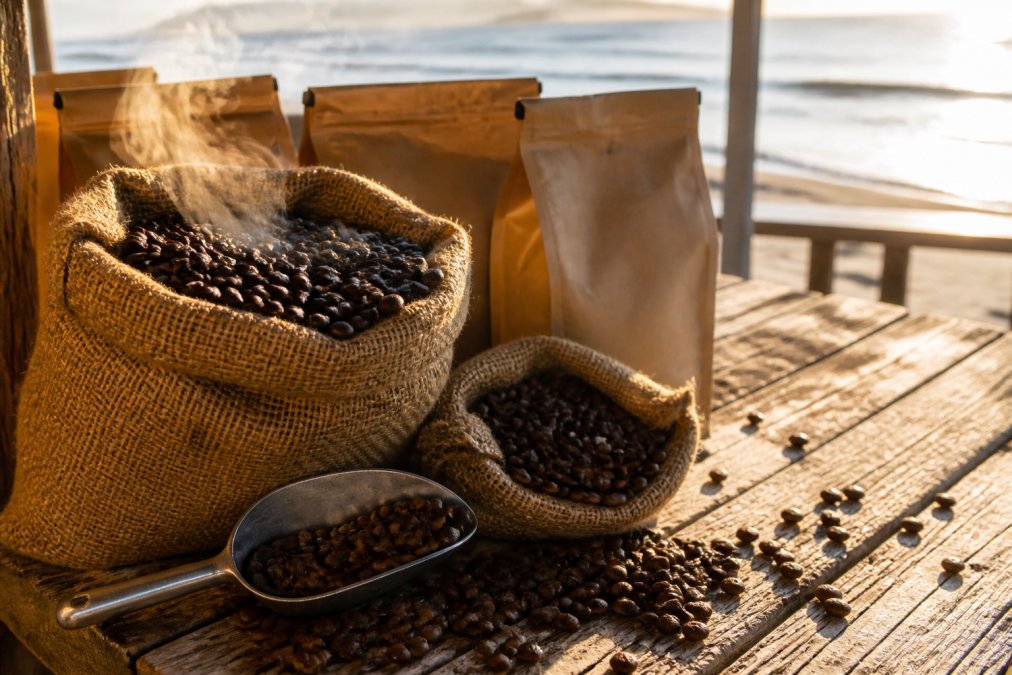
The House Blend combines Central and South American coffees into a smooth, medium-bodied cup with nutty, chocolate, and citrus notes. Roasted to order and shipped fresh within days, it preserves the complexity that makes specialty coffee different.

Quality blends use intentional sourcing where beans are chosen for complementary flavor profiles. Processing methods, natural or washed, affect how the bean's character expresses itself, and a well-constructed blend amplifies strengths while masking weaknesses.
Medium Roast Blends for Daily Drinking
Medium roasts hit the sweet spot, bold enough to taste like coffee without the bitter edge of darker roasts. The Breakfast Blend is a smooth South American blend designed for morning drinking.
Medium roast blends offer consistency, the same bag tastes the same way every time, making your morning routine predictable and reliable without troubleshooting.
Flavored Options for Specialty Tastes
Flavored coffee makes coffee approachable for people who find black coffee too intense. Quality flavored coffee differs from cheap options in how the flavoring is applied.
Crystal Coast's flavored line (French Vanilla, Hazelnut, Caramel, Mocha) uses specialty-grade beans with flavoring oils applied while warm, so they infuse properly rather than sitting on the surface, tasting like actual vanilla or hazelnut, not artificial sweetness.
Flavored blends work well for people who find conventional coffee too bitter, and they're practical for milk-based drinks where the flavoring complements creaminess.
Single-Serve Convenience Without Compromise
Single-serve capsules eliminate variables, reduce cleanup, and deliver consistency for busy mornings without grinding or committing to a full bag.
Most capsule systems prioritize convenience over flavor. Crystal Coast's 12 Pack and 60 Pack Single Serve Capsules use the same Original Roast premium blend as whole-bean, sealed with no oxygen to keep coffee fresh.

Crystal Coast's improved filter design slows water flow to extract more flavor from grounds, resulting in a richer, more complete cup than typical single-serve options.
Single-serve capsules eliminate decision-making: insert, brew, and have a consistent cup in two minutes with no grinding, measuring, or mess.
| Format | Best For | Convenience | Flavor Consistency |
|---|---|---|---|
| Whole Bean | Coffee enthusiasts, pour-over drinkers | Lower (requires grinding) | High |
| Single-Serve Capsules | Busy mornings, home offices | High | High |
| Pre-Ground | Drip machine users | High | Medium |
How to Choose a Premium Coffee Roaster
When evaluating mill creek coffee alternatives, the roaster you choose matters more than the specific blend. A great roaster controls every variable that affects flavor: sourcing, roasting, freshness, and storage. A mediocre roaster can't fix these things with marketing.
Three factors separate premium roasters from commodity producers.
Roasting Date and Freshness Standards
The roasting date is the most important number on a coffee bag. Coffee is best consumed within two to four weeks of roasting. After that window, the flavor compounds that make specialty coffee special begin to degrade. If a roaster won't put a roasting date on the package, they're either sitting on inventory or they don't want you to know how old it is.
Premium roasters roast to order, which means they roast specific quantities based on actual demand rather than guessing at what customers will buy. This approach requires more operational complexity, which is why it costs more. But it's the only way to guarantee freshness at scale.
When you order from a roaster that roasts to order, expect your coffee to ship within 3-5 days of roasting. This window is tight enough to preserve the volatile aromatics that create the coffee's character. Grocery store coffee, by contrast, is often 3-6 months old before you even open the bag.
Bean Sourcing and Transparency
Where the beans come from affects how they taste. A roaster that sources from specific farms and regions can tell you what you're buying. They know the altitude, the processing method, the harvest date, and often the farmer's name. This transparency matters because it's the only way to verify that what you're paying for is real.
The Best Sellers Sample Pack from Crystal Coast Coffee Co. demonstrates this approach. The Peru single-origin includes the grower cooperative's name, the region, altitude, soil type, and processing method. The Mexico single-origin includes the same level of detail. This isn't marketing fluff, it's the information a knowledgeable roaster uses to make decisions about how to roast these beans.
Roasters who can't or won't provide this information are usually buying commodity-grade beans through brokers, which means they have no relationship with the source and no control over quality.
Caffeine-Free Morning Energy Drinks and Coffee Alternatives
Not everyone can tolerate caffeine, and some people prefer to limit their intake. If you're exploring mill creek coffee alternatives because you're looking for caffeine-free options, you have more choices than you might think.
The most straightforward alternative is decaf coffee. Modern decaf processes preserve flavor far better than older methods did. A quality decaf from a premium roaster tastes significantly better than the thin, flat decaf from grocery stores. It's still coffee, just without the caffeine kick.
Beyond decaf, herbal and aromatic teas serve the same ritual function that coffee does for many people. They provide a warm, flavorful beverage that signals the start of the day without the stimulant. Some people combine decaf coffee with tea, creating a hybrid morning drink that gives them the coffee ritual they enjoy with minimal caffeine.
For people seeking sustained morning energy without caffeine, the real solution isn't the beverage, it's eating protein and healthy fats with breakfast. A cup of anything tastes better when you're not running on an empty stomach, and the actual energy boost comes from food, not the drink itself.
Subscription and Sampling Options for Trial
Committing to a full bag of coffee you've never tried is a risk. That's why sampling options and subscriptions exist, they let you try different roasts without the financial commitment of multiple full-size purchases.
The Best Sellers Sample Pack offers six different coffees in 2-ounce portions: the 6Bean Blend (dark roast), Cowboy Blend (dark and medium blend), Breakfast Blend (medium), and three single-origins from Peru, Mexico, and Bali.

Price-to-Quality Comparison: What You're Actually Paying For
Fresh roasting is expensive. Roasting to order means maintaining relationships with suppliers, managing inventory in smaller batches, and roasting frequently. A large commodity roaster can spread costs across millions of bags. A specialty roaster can't. They roast smaller volumes, which means higher per-unit overhead.
Finding Your Best Mill Creek Coffee Alternative
The right mill creek coffee alternative depends on what you actually want from your morning coffee. If you're chasing the best possible flavor and you're willing to invest in the ritual, grinding beans, dialing in your brewing method, experimenting with different roasts, then whole-bean specialty coffee from a roaster like Crystal Coast Coffee Co. is the answer.
Frequently Asked Questions
What makes mill creek coffee alternatives worth trying?
Mill creek coffee alternatives offer specialty roasting methods, direct sourcing from trusted farms, and roasting-to-order freshness that grocery store brands cannot match. Premium roasters focus on roast profile, single-origin beans, and flavor complexity. Many alternatives, like Crystal Coast Coffee Co., ship within days of roasting to preserve aroma and character. The difference in taste and quality justifies the price for coffee enthusiasts who value freshness and craftsmanship over convenience.
How do I know if a premium coffee roaster is actually roasting to order?
Check the roasting date on the packaging, it should be recent, ideally within 1-2 weeks of delivery. Reputable roasters clearly display this information and ship quickly after roasting. Ask about their roasting schedule and shipping timeline before purchasing. Quality roasters are transparent about their process and won't hesitate to provide roasting dates. Avoid brands that list only a 'best by' date without a roast date, as this suggests older inventory.
What caffeine-free morning energy drinks work as coffee alternatives?
Caffeine-free options include herbal teas, chicory-based blends, and grain-based beverages that provide morning ritual without caffeine. Some specialty roasters offer aromatic teas designed for the same experience as coffee. These alternatives work best for those sensitive to caffeine or seeking afternoon options. They won't replicate coffee's exact flavor but can satisfy the routine and warmth of a morning beverage. Many coffee enthusiasts rotate between coffee and herbal options throughout the day.
Are sample packs worth buying before committing to a subscription?
Yes. Sample packs let you test multiple roast profiles and flavor preferences without committing to full-size bags. A best-sellers sample pack typically includes 2-ounce portions of different blends and single-origins, letting you identify your preferred roast level and tasting notes. This approach prevents wasting money on full bags you might not enjoy. Many roasters offer sample packs at reasonable prices, around $24.99 for six varieties, making it an affordable way to find your ideal coffee before larger purchases.