

Best Coffee for Adventurous Drinkers: 2026 Guide
Table of Contents
- What Makes a Coffee Worth the Adventure
- Coffee Roast Profiles Explained for Bold Explorers
- Single Origin Coffee Beans vs. Blends: Which Tells a Better Story
- How to Taste Coffee Notes Like a Seasoned Traveler
- How to Identify Quality Beans When Shopping for Unique Flavors
- The Best Coffee for Adventurous Drinkers: Top Picks
- Brewing Methods and Water Chemistry for the Road
- Frequently Asked Questions
Last Updated: September 22, 2026
What Makes a Coffee Worth the Adventure
Finding the best coffee for adventurous drinkers starts with one question: does this cup take you somewhere? At Crystal Coast Coffee Co., we roast to order because freshness separates a flat brew from one with real character. Adventurous drinkers chase flavor complexity, full body, and carefully sourced beans.
Coffee Roast Profiles Explained for Bold Explorers
Roast level decides how much of the bean's origin character survives the roaster: lighter roasts keep more, darker roasts trade brightness for weight and depth.
Light Roast: Bright and Acidic
Light roasts stop early, preserving the acids that carry fruity and floral notes. Expect effervescence, citrus, and a tea-like body, the profile for drinkers who want to taste the farm, not the fire.
Medium and Dark Roast: Heavy Body and Deep Flavor
Medium and dark roasts develop sugars into caramel and chocolate tones. Body thickens, bitterness softens into a rounded finish, and the cup feels heavier on the tongue. For cold mornings on a trail, that weight matters.
Single Origin Coffee Beans vs. Blends: Which Tells a Better Story
Single origin coffee beans trace to one region, farm, or lot, expressing a specific place and process. Blends combine origins for balance and consistency. Neither is better: a single origin answers "where did this come from?", a blend answers "how does this hold up in any brewing method?"
How to Taste Coffee Notes Like a Seasoned Traveler
Tasting notes are the aromas and flavors a trained palate can identify in a cup, not marketing poetry. You do not need certification, you need repeatable practice. Four to six weeks of deliberate tasting rewires how you describe coffee, so you stop buying on label copy and start buying on what you actually enjoy.
Why Your Palate Needs Training at All
Flavor is mostly smell. Retronasal aroma, scent traveling from the back of your mouth into your nasal cavity as you swallow, carries the fruity, floral, and spice notes people attribute to taste. That is why coffee smells like blueberry but tastes flat when you have a cold, and why the same Kenyan single origin reads as "bright citrus" to one drinker and "sour" to another: the second has not built a reference library for acidity. Palate training builds that library on purpose.

A Four-Week Palate Training Plan
You do not need a lab or cupping table, just repetition and a notebook, one short session per day, five days a week.
- Week 1, Build aroma references. Smell the dry grounds, then the bloom, then the brewed cup, and write down the first three things each reminds you of. Do not reach for coffee vocabulary yet. "Wet stone," "orange peel," and "burnt toast" are all valid starting points.
- Week 2, Taste side by side. Brew two coffees at once and alternate sips. Contrast teaches faster than isolation. A washed Kenyan next to a natural Ethiopian makes acidity and fruitiness obvious because the difference is the lesson.
- Week 3, Isolate one variable. Keep the coffee the same and change the water temperature, the grind, or the brew ratio. When only one thing moves, you learn what that thing does to the cup.
- Week 4, Name the structure, not just the flavor. Score each cup for acidity, body, sweetness, and finish. Adventurous drinkers who can describe body and finish separately stop confusing "strong" with "good."
Cupping at Home Without the Ceremony
Cupping is the standard method roasters use to evaluate coffee and the fastest way to compare beans on equal footing. Weigh equal doses, grind coarse, pour hot water over the grounds, wait four minutes, then break the crust with a spoon and smell.
The Flavor Wheel, Translated for Beginners
Specialty coffee references a flavor wheel, but the top-level categories are enough to start: fruity, floral, sweet, nutty or cocoa, spicy, and roasty. Place what you taste in a category first, then narrow it: "fruity" becomes "citrus" becomes "lemon" becomes "lemon zest." That narrowing is the skill, and why two drinkers can taste the same cup and both be right.
Common Beginner Mistakes
- Chasing intensity instead of clarity. A darker roast can taste "stronger" while hiding the origin character you are trying to learn.
- Tasting after strong food. Coffee after garlic, mint, or a heavy meal reads muted. Taste first thing in the morning when your palate is reset.
- Trusting the label over your own notes. If a bag promises "red fruit" and you taste tomato, write tomato. Your notes are the record, not the bag.
- Giving up on a coffee after one brew. Grind, ratio, and water temperature can swing a cup more than the bean itself.
How to Identify Quality Beans When Shopping for Unique Flavors
Quality shows up in four places: roast date, origin detail, processing method, and aroma. Look for a printed roast date rather than a best-by date, and check whether the label names a region, altitude, variety, or process. Whole bean holds its aromatics longer than pre-ground, and a bag that smells flat on opening rarely improves in the brewer.
- Roast date within the last few weeks, printed clearly
- Named origin, farm, or cooperative rather than a vague region
- Processing method listed: washed, natural, or another process
- Whole bean over pre-ground for longer freshness
- Aroma that hits you when the bag opens
The Best Coffee for Adventurous Drinkers: Top Picks
Every bag below comes from Crystal Coast Coffee Co. Prices are per bag.
| Coffee | Roast Level | Flavor Direction | Price |
|---|---|---|---|
| Whiskey Barrel Aged | Roasted to order | Bourbon barrel character | $22.99 |
| Coffee with Mushrooms Dark Roast | Dark | Deep, earthy, functional blend | $20.99 |
| Asian Plateau Blend | Medium | Herbal, heavy body | $22.99 |
| African Kahawa Blend | Medium-dark | Toffee, red fruit, floral | $22.99 |
| Kenya | Single origin | Bright citrus and floral | $22.99 |
| Kopi Safari | Post-roast blend | Bright and grounding | $22.99 |
| Dubai Chocolate | Flavored | Chocolate-forward | $22.99 |
| Smores | Flavored | Campfire sweetness | $22.99 |
Whiskey Barrel Aged
A single origin Guat. aged 30 days in a Bourbon barrel and then roasted to order. Try the Whiskey Barrel Aged

Coffee with Mushrooms Dark Roast
Specialty‑grade coffee infused with Lion’s Mane, Cordyceps, and Reishi mushrooms. Try the Mushroom Dark Roast

Asian Plateau Blend
A medium roast containing blended coffees of Southeast Asia offering herbal flavor notes and a heavy body. This coffee offers consistent flavor, a strong aroma and is best as a hot coffee drink. Grown under the full sun with washed processing that is environmentally friendly.
African Kahawa Blend
A very complex medium-dark roast of bright full flavor African grown coffees. Enjoy hints of toffee, caramel, chocolate, raisins, green apples, red fruits and even hints of cherries and black currant with a soft floral finish. Coffee cherries are often processed by hand at the home of the farmers after being hand picked.
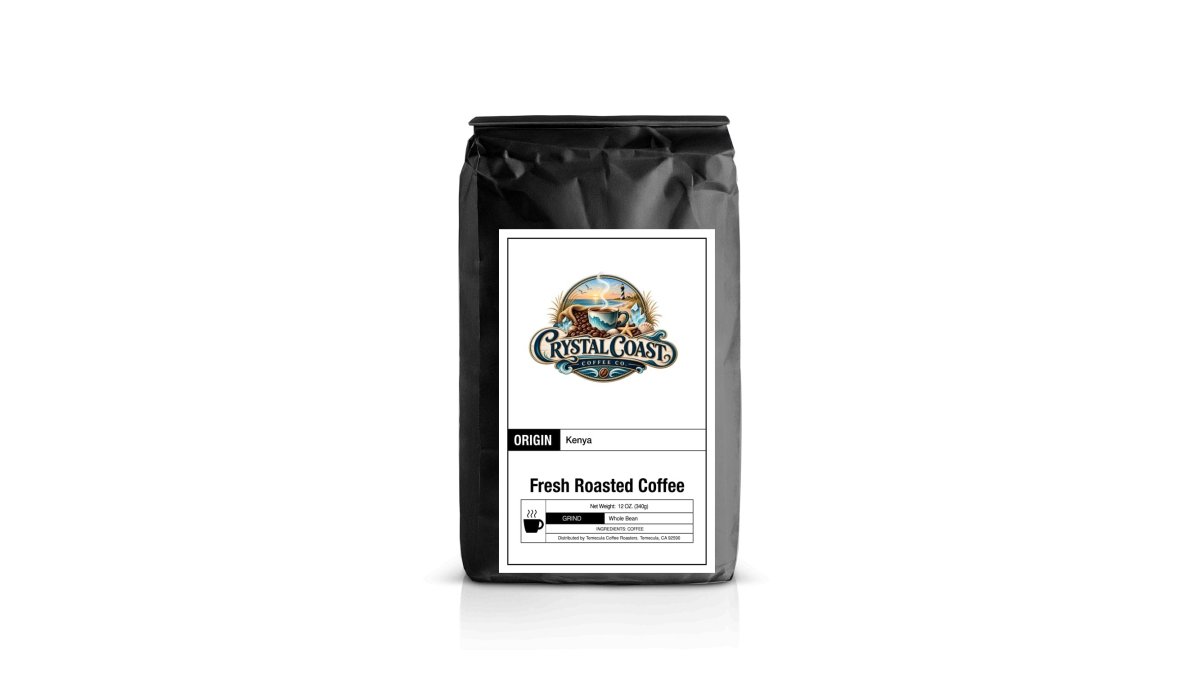
Kenya
Tasting Notes: Bright Acidity, Orange, Lemon, Floral, Effervescent Region: Othaya, Nyeri County Altitude: 1,700-1,890 M Process: Fully Washed and Dried on Raised Beds Variety: SL28, SL34, Ruiru 11, and Batian
Kopi Safari
Post roast blend. lively and grounding,a perfect harmony of brightness and depth.
Dubai Chocolate
A blend of single origin coffee, lightly flavored with natural flavorings
Smores
A blend of single origin coffee, lightly flavored with natural flavorings
Brewing Methods and Water Chemistry for the Road
Water makes up more than 98 percent of your cup, so it shapes extraction more than most gear does. Very hard water mutes acidity and flattens aroma; very soft or distilled water can over-extract, taste hollow, or fail to extract at all. On the road, filtered water and a consistent coffee-to-water ratio get you most of the way, the rest is knowing what your water is doing and how to correct it without a lab.
What Water Chemistry Actually Does to Coffee
Two measures matter most. Total dissolved solids (TDS) is overall mineral content. Hardness is calcium and magnesium specifically, the minerals that bind to coffee compounds and pull them into solution. Magnesium extracts fruity, bright notes; calcium tends toward heavier, chalkier extraction. Alkalinity, the water's capacity to buffer acid, is the third lever: high alkalinity neutralizes coffee's natural acidity, which is why a bright Kenyan can taste flat in one town and vivid in another.
Reading Your Water in the Field
- Very hard water (well water, some municipal supplies), mutes acidity, flattens aroma, can leave scale in a kettle. Filter it, or brew with bottled low-mineral water.
- Very soft or reverse-osmosis water, tastes hollow and can under-extract. Add a small mineral packet or a splash of harder water.
- Chlorinated municipal water, chlorine reads as a chemical note. A carbon filter or an overnight open-air rest in a clean container reduces it.
- Unknown water, brew a small test cup before committing your whole dose. If it tastes flat and lifeless, the water is the first suspect, not the bean.
Field-Ready Water Fixes
- Carry a small squeeze of mineral concentrate designed for brewing water and add it by the drop to a liter of filtered water.
- If you cannot filter, use bottled water labeled with a mineral content rather than distilled.
- Keep a dedicated brew kettle or bottle so soap residue and campfire smoke do not carry into the cup.
- If unsure of water quality, boil and cool before brewing; boiling does not remove minerals but does address biological concerns.
Matching the Method to the Setting
For travel, match the method to the setting and to the coffee:
- Pour-over: light roasts and single origins; needs a steady hand, a stable heat source, and a few extra minutes.
- Cold brew: bright African coffees, brews overnight with no heat. Ideal for warm-weather trips.
- French press: medium and dark roasts, forgiving of grind inconsistency and slightly off water. The most reliable camp method.
- AeroPress-style press: fast, portable, forgiving; works well with a finer grind and a short steep.
- Instant: the mushroom blend, about 42 servings per package, just add hot water. Lowest effort when weight and time are the constraint.
Gear That Earns Its Space in the Pack
- A hand grinder with a consistent burr set, grind consistency affects extraction more than most brewers do.
- A small scale reading to a tenth of a gram, so your ratio stays repeatable when the rest of the trip is not.
- An insulated bottle or press that holds temperature on a cold morning.
- A dedicated brewing water bottle, kept separate from treated drinking water.
Frequently Asked Questions
What defines an adventurous coffee profile?
An adventurous coffee profile leans into flavor complexity and unexpected tasting notes. Look for single-origin beans with bright acidity, fruity or winey notes, or experimental processing methods like natural or honey process. Roast level also matters: light roasts preserve delicate aromatics, while dark roasts deliver bold bitterness and heavy body. The best coffee for adventurous drinkers balances novelty with drinkability, so you enjoy the surprise without sacrificing a smooth cup.
What is the best coffee to drink when traveling?
For travel, prioritize whole bean coffee with a recent roast date and a brewing method that fits your setup. Pour-over and cold brew are portable options. Instant coffee with mushroom powder, like Crystal Coast Coffee Co.'s Instant Coffee with Mushroom, offers convenience with about 42 servings per package. If you have access to hot water, a medium or dark roast with a heavy body holds up well to variable water quality and still delivers consistent flavor.
How do processing methods like natural or honey process affect coffee flavor?
Processing method shapes the final cup as much as roast level. Washed coffees, like Crystal Coast Coffee Co.'s Kenya, tend to have bright acidity and clean, effervescent notes. Natural process beans often show fruity, winey, and heavier body characteristics because the fruit stays on the bean longer. Honey process sits between the two, adding sweetness and rounded mouthfeel. Adventurous drinkers can use processing method as a guide to predict flavor before brewing.
What are the best single-origin coffees for those who dislike traditional blends?
Single-origin coffees highlight one region's terroir, which appeals to drinkers bored with predictable blends. Crystal Coast Coffee Co.'s Kenya offers bright acidity with orange, lemon, and floral notes from Nyeri County. The Whiskey Barrel Aged is a single-origin Guatemalan coffee aged 30 days in a bourbon barrel, then roasted to order. Both deliver distinct, traceable flavor profiles that stand apart from mass-produced blends.
What is the difference between light and dark roast profiles for adventurous drinkers?
Light roasts preserve the bean's origin characteristics, so you taste acidity, fruity notes, and floral aromas. Dark roasts develop deeper flavors through longer roasting, resulting in bitterness, heavy body, and sometimes smoky or chocolatey notes. For adventurous drinkers, light roasts offer exploration of terroir, while dark roasts provide a bold, consistent cup. Crystal Coast Coffee Co.'s Coffee with Mushrooms Dark Roast combines a dark roast profile with Lion's Mane, Cordyceps, and Reishi mushrooms for a unique twist.
Adventure in coffee rewards curiosity more than equipment. The best coffee for adventurous drinkers is the bag that makes you pay attention, and Crystal Coast Coffee Co. roasts every order fresh so that first cup tastes like it should. Start with the Whiskey Barrel Aged for barrel depth, the Kenya for bright single origin character, or the Coffee with Mushrooms Dark Roast for a functional blend on long days. Order from Crystal Coast Coffee Co. and taste the difference fresh roasting makes.