

Flexible Coffee Subscriptions for Remote Workers
Table of Contents
- Why Flexible Coffee Subscriptions Fit the Remote Workday
- Quick Comparison: Crystal Coast Coffee Co. Options for Home Offices
- How to Manage Coffee Subscription Frequency Without Waste
- Choosing the Right Coffee Grind for Home Brewing
- Best Coffee Roasters for Home Delivery: What Sets Crystal Coast Apart
- Tax Deductibility and Home Office Logistics for Remote Workers
- Bulk Storage and Freshness Preservation for Remote Workers
- Conclusion: Building a Flexible Coffee Routine That Works
- Frequently Asked Questions
Last Updated: October 2, 2026
Why Flexible Coffee Subscriptions Fit the Remote Workday
Flexible coffee subscriptions for remote workers solve a specific problem: the office coffee supply chain disappeared, but the daily caffeine habit did not. According to U.S. Bureau of Labor Statistics American Time Use Survey, remote workers spend more of their waking hours at home than office-based employees, which means every cup now comes out of a personal kitchen rather than a shared breakroom. Crystal Coast Coffee Co. built its subscription model around that shift, roasting beans to order so a home office never has to rely on stale grocery store bags.
A coffee subscription is a recurring delivery service that sends freshly roasted beans, capsules, or instant coffee at an interval the customer chooses. The flexible version lets you change that interval, pause deliveries, or cancel without penalties.
The remote workday changes what people need from coffee. Commutes are gone, so the morning cup happens later. Afternoon slumps hit harder without a walk to a café.
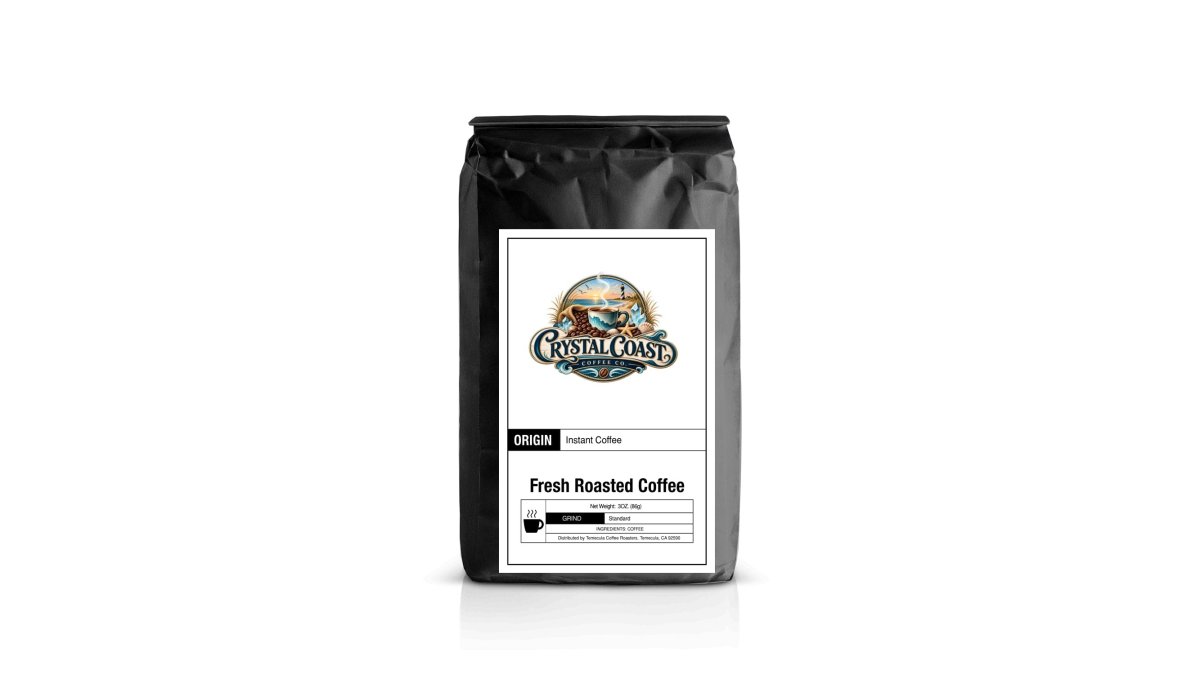
Quick Comparison: Crystal Coast Coffee Co. Options for Home Offices
Crystal Coast Coffee Co. offers several formats suited to different home office setups, and each ships as a one-time purchase you can fold into a recurring order. The table below maps each option to its price and best use case.

| Option | Price | Format | Best For |
|---|---|---|---|
| 60 Pack Single Serve Capsules | $59.99 | Capsules | High-volume daily drinkers |
| 12 Pack Single Serve Capsules | $22.99 | Capsules | Trying the signature roast |
| Breakfast Blend + | $22.99 | Whole bean or ground | Morning cups with extra caffeine |
| Max Caf Blend | $22.99 | Whole bean or ground | Long workdays, high caffeine |
| Coffee with Mushrooms (Dark or Medium) | $20.99 | Ground | Focused afternoon brewing |
| Instant Coffee | $20.99 | Instant, 30 servings | Travel and quick breaks |
| Best Sellers Sample Pack | $24.99 | Six 2oz packs | Testing before committing |
| Cold Brew Coffee | $22.99 | Coarse ground | Overnight cold brew batches |
For a picky drinker, the Best Sellers Sample Pack at $24.99 is the smartest starting point. It includes the 6Bean Blend, Cowboy Blend, Breakfast Blend, and single-origin beans from Peru and Mexico, so you can find your flavor profile before locking into a recurring order.
How to Manage Coffee Subscription Frequency Without Waste
Managing frequency starts with one number: how many cups you actually drink per week. A remote worker going through half a pound weekly needs a very different schedule than someone brewing one cup on weekdays only.
Here is a simple way to set your shipping interval:
- Track your cups for one full week, including weekends
- Multiply daily cups by seven to get a weekly total
- Divide by the number of servings in your chosen bag size
- Set your delivery frequency to match, then adjust after the first cycle
- Use the pause option during travel or slow work weeks
A common mistake is ordering on a fixed monthly schedule because it feels tidy. In practice, most home brewers drink more in busy work weeks and less during time off.
Choosing the Right Coffee Grind for Home Brewing
Grind size decides how your coffee tastes more than almost any other variable, because it controls how fast water pulls flavor out of the grounds.
Match your grind to your equipment and the brew time it uses:
- Pour-over and drip: medium grind, similar to table salt, with a total brew time around 3 to 4 minutes
- French press: coarse grind, like breadcrumbs, steeping 4 minutes before the plunge
- Espresso: fine grind, almost powdery, extracted in roughly 25 to 30 seconds
- Cold brew: very coarse grind, steeped 12 to 18 hours, which is why Crystal Coast Coffee Co. sells its Cold Brew Coffee pre-ground at that texture
- Capsule machines: no grinding needed, since the 60 Pack and 12 Pack capsules arrive sealed with no oxygen inside
For remote workers, the grind decision is really a workflow decision.

A few practical adjustments most guides skip:
- If your cup tastes sour or weak, grind finer before you change anything else.
- If it tastes bitter or hollow, grind coarser.
- If your brew time swings wildly between identical batches, your grinder is producing inconsistent particle sizes, a burr grinder fixes this, a blade grinder cannot.
- Store whole beans sealed and grind only what you need for the next day or two of work.
For anyone who wants convenience without giving up freshness, pre-ground options like the Breakfast Blend + or the Coffee with Mushrooms line remove the guesswork entirely.
Best Coffee Roasters for Home Delivery: What Sets Crystal Coast Apart
The best coffee roasters for home delivery share one trait: they roast close to the ship date, not months before it. That single practice separates a roastery from a warehouse operation.
Crystal Coast Coffee Co. roasts to order so each batch reaches maximum flavor and aroma before it leaves.
What most guides miss is that freshness is a logistics problem, not a marketing claim.
60 Pack Single Serve Coffee Capsules →
Tax Deductibility and Home Office Logistics for Remote Workers
Some remote workers may be able to treat coffee as a business expense, but the rules are narrower than most people assume. The IRS guidance on business expenses sets the general framework, and the key distinction is employment status.
- Self-employed workers and business owners may be able to deduct coffee purchased for client meetings, a dedicated home office used regularly and exclusively for business, or a home office that serves as a principal place of business. The expense has to be ordinary and necessary for the business.
- W-2 employees working remotely generally cannot deduct home office coffee. The Tax Cuts and Jobs Act suspended unreimbursed employee business expense deductions for most employees, and that change has remained in effect. A remote employee buying beans for personal use at home is not running a business expense.
- Mixed use is where it gets murky. If a self-employed consultant keeps coffee on hand for client calls and in-person meetings, the business portion may qualify. Personal morning cups do not.
The honest answer is that deductibility depends on your employment status and how the coffee is used. Keep receipts, note the business purpose, and confirm your situation with a tax professional rather than assuming.
Office-to-Home Transition Logistics
When a team moves remote, the shared supply cabinet disappears. The office manager who used to order in bulk is gone, and each person now manages their own restocking. That shift creates three predictable problems:
- Volume mismatch. A corporate account bought in cases sized for dozens of drinkers. A single home office needs a fraction of that, so a subscription sized to one or two people prevents a pantry full of stale beans.
- Format mismatch. Breakroom machines took pods or pre-ground bulk. A home setup may be a pour-over, a French press, or a drip machine, so the format has to change along with the volume.
- Restocking memory. Without a supply closet to walk past, reordering becomes a task someone has to remember. A recurring delivery schedule removes that mental load entirely.
A practical transition sequence: track your actual weekly cups for one full week, pick a format that matches your home equipment, set a delivery interval that lands slightly before you run out, then adjust after the first cycle. Most people overestimate their consumption at first and end up pausing a shipment.
Productivity-Focused Caffeine Planning
Caffeine timing affects the remote workday more than most people realize, because there is no commute to structure the morning and no walk to a café to break up the afternoon. A common pattern is to match roast and caffeine level to the shape of the day:
- Morning focus block: a medium or dark roast with a full caffeine load, consumed in the first hour of work, supports sustained attention through the first deep-work session.
- Post-lunch slump: a lighter, brighter cup or a smaller serving can lift energy without the crash that follows a heavy second dose.
- Late afternoon: decaf or a low-caffeine option protects sleep, which matters more for remote workers who tend to work closer to bedtime.
Crystal Coast Coffee Co.'s catalog maps onto this fairly cleanly. The Breakfast Blend + and Max Caf Blend suit high-output morning blocks, while the Coffee with Mushrooms line is positioned for focused afternoon brewing. The Instant Coffee, with 30 servings, covers travel days and quick breaks between calls.

Bulk Storage and Freshness Preservation for Remote Workers
Bulk buying only pays off if you can protect the beans after they arrive. Coffee stales through three enemies: oxygen, moisture, and light.
Store beans in an airtight, opaque container at room temperature. Skip the refrigerator, since condensation damages flavor. The freezer works for long-term storage only if you seal portions tightly and never refreeze.
For remote workers buying larger quantities, portion the bulk into week-sized amounts and keep the rest sealed.
Conclusion: Building a Flexible Coffee Routine That Works
The remote workday rewards routines that adapt. A subscription that lets you pause, adjust frequency, and switch formats fits that reality far better than a rigid monthly box.
Start with the Best Sellers Sample Pack to find your roast, then build a recurring order around your actual weekly consumption. Get started with Crystal Coast Coffee Co. and keep a fresh, coastal-inspired cup within reach of your desk every morning.
Frequently Asked Questions
What makes a coffee subscription 'flexible' for remote workers?
Flexibility means you control delivery frequency, can pause or skip shipments, and adjust grind or roast without penalties. For remote workers who may drink more or less coffee depending on their schedule, this prevents bags from piling up. Crystal Coast Coffee Co. roasts to order and lets you manage your recurring order, so you get freshly roasted coffee when you need it, not on a rigid schedule that ignores your actual consumption.
Can I pause or skip deliveries on coffee subscriptions?
Yes, most flexible subscriptions allow you to pause, skip, or cancel anytime without fees. Crystal Coast Coffee Co. offers subscription management that lets you adjust your shipping interval or pause deliveries when you travel or have a lighter workweek. This is especially useful for remote workers whose coffee intake varies with project deadlines and meeting schedules. Check the specific terms when you sign up to confirm the pause policy.
How much coffee does a remote worker typically consume per month?
Consumption varies widely, but many remote workers brew one to three cups per day, which translates to roughly 0.5 to 1.5 pounds of whole bean coffee per month. If you use a drip brewer or pour-over, a standard 12-ounce bag yields about 16 to 20 cups. Starting with a smaller bag or a sample pack like Crystal Coast's Best Sellers Sample Pack ($24.99) helps you gauge your actual usage before committing to a larger recurring order.
Are there coffee subscriptions that offer office-friendly bulk options?
Some subscriptions offer larger bag sizes or multi-pack bundles suited to higher-volume brewing. Crystal Coast Coffee Co. provides a 60 Pack Single Serve Coffee Capsules ($59.99) and a 12 Pack ($22.99) for single-serve machines, plus whole bean options for batch brewing. For a home office that hosts occasional meetings, the 60-pack keeps individual servings fresh and reduces the need to brew full pots.
How do I choose between whole bean and ground coffee for my home office?
Whole bean stays fresh longer because the oils and aromas are protected until you grind. If you have a burr grinder and brew within a few days, whole bean is ideal. Ground coffee is convenient if you lack a grinder or prefer a quick scoop. Crystal Coast Coffee Co. roasts to order, so even ground coffee arrives fresh. Match the grind to your brewing method: coarse for cold brew, medium for drip, fine for espresso.