

Craft Coffee Alternative for Remote Workers
Table of Contents
- Why Remote Workers Are Replacing Traditional Coffee
- Comparison Table: Craft Coffee Alternatives for Your Workspace
- Caffeine-Free Productivity Drinks That Keep You Focused
- Premium Tea for Remote Workers: Matcha and Masala Chai
- Healthy Coffee Substitutes for Energy Without the Crash
- How to Choose the Right Craft Coffee Alternative for Your Routine
- Common Mistakes When Switching to Coffee Alternatives
- Frequently Asked Questions
Last Updated: September 11, 2026
Why Remote Workers Are Replacing Traditional Coffee
The craft coffee alternative for remote workers has moved from niche experiment to mainstream routine. When your commute disappears, your caffeine timing changes: the rushed mug before leaving and the office pot that sat on a burner no longer apply. You now control every variable, grind, brew time, water temperature, and whether coffee is even the right drink for the work ahead.
The problem is rarely caffeine itself, it is the delivery method.
A common mistake is treating a coffee crash as proof you need more coffee. The crash usually comes from drinking a large volume quickly on an empty stomach, then sitting still for three hours (peer-reviewed research). Switching the beverage without changing the timing rarely fixes anything.
The three changes that matter most:
- Smaller, slower servings instead of one large mug
- A drink with a different caffeine curve, such as matcha or masala chai
- A deliberate break to prepare it, which doubles as a screen break
The ritual does work the caffeine cannot.
Comparison Table: Craft Coffee Alternatives for Your Workspace
Here is how the main options compare on cost, effort, and the kind of energy they deliver. Every price is the actual one-time purchase price from our catalog.
| Option | Price | Caffeine Level | Best For | Effort |
|---|---|---|---|---|
| Coffee with Mushrooms Dark Roast | $20.99 | Moderate | Coffee drinkers easing off the crash | Low |
| Coffee with Mushrooms Medium Roast | $20.99 | Moderate | All-day sipping | Low |
| Instant Coffee with Mushroom | $20.99 | Moderate | Small kitchens, travel, quick breaks | Very low |
| Matcha | $20.99 | Moderate | Sustained focus without jitters | Medium |
| Masala Chai | $20.99 | Low to moderate | Afternoon warmth and spice | Medium |
| Cold Brew Coffee | $22.99 | Higher | Hot afternoons, smooth low-acid cups | Low after setup |
| Max Caf Blend | $22.99 | High | Deadline days only | Low |
Read that table as trade-offs, not a ranking. The mushroom blends sit in the middle on purpose: they keep the coffee flavor you like while changing what the cup does to your afternoon.


Caffeine-Free Productivity Drinks That Keep You Focused
Caffeine-free productivity drinks support alertness through warmth, ritual, hydration, and flavor rather than stimulant load. They work best in the late afternoon, when a stimulant would interfere with sleep but you still have two hours of work left (the CDC).
The honest limitation: no caffeine-free drink replaces caffeine at 9 a.m. on a heavy day. What they do well is protect the hours after 3 p.m., when the goal shifts from pushing hard to finishing cleanly.
Herbal Tea Blends for Sustained Energy
Herbal blends built on rooibos, peppermint, or ginger give you a warm drink with no stimulant. The sustained energy people describe comes from steady hydration and a genuine pause away from the screen.
A practical way to run it:
- Keep a separate mug for herbal tea so the association is distinct from your coffee mug
- Steep for the full time on the package, not a quick dunk
- Drink it standing up, away from the desk, if you can
If you want the ritual without the caffeine, this is the cheapest and least fussy version of it.
Premium Tea for Remote Workers: Matcha and Masala Chai
Premium tea for remote workers means loose or high-grade tea prepared deliberately, not a bag dropped into lukewarm water. The two options worth building a routine around are matcha and masala chai, and they suit different parts of the day. What most guides skip is the mechanics: what you do, what it costs in time, and how the caffeine curve differs from coffee.
Matcha: The Whisked Option
Matcha is shade-grown green tea milled into a fine powder, so you consume the whole leaf rather than steeping and discarding it. A single serving carries more caffeine than a standard cup of steeped green tea, though less than a typical 8-ounce drip coffee, and the lift arrives more gradually because the caffeine releases as you digest the leaf material (PubMed).
Preparation is the barrier for most people, and it is smaller than it looks:
- Sift about half a teaspoon of powder through a small strainer to break up clumps. Skip this and you get dry pockets in the bowl.
- Add roughly 2 ounces of water just off a boil, not boiling. Boiling water makes matcha bitter.
- Whisk in a zigzag motion with a bamboo chasen for 20 to 30 seconds, until a fine foam sits on top. A milk frother works if you do not want a whisk.
- Top off with hot water for a thin usucha, or with steamed milk for a latte.
Our Matcha is milled for traditional preparation, which means whisking rather than stirring. The preparation can serve as a screen break you might otherwise skip.
On equipment: a bowl, a whisk, and a small strainer together cost less than a mid-range electric kettle and last for years. Drink matcha daily and the per-cup cost can be more economical than regular cafe purchases.
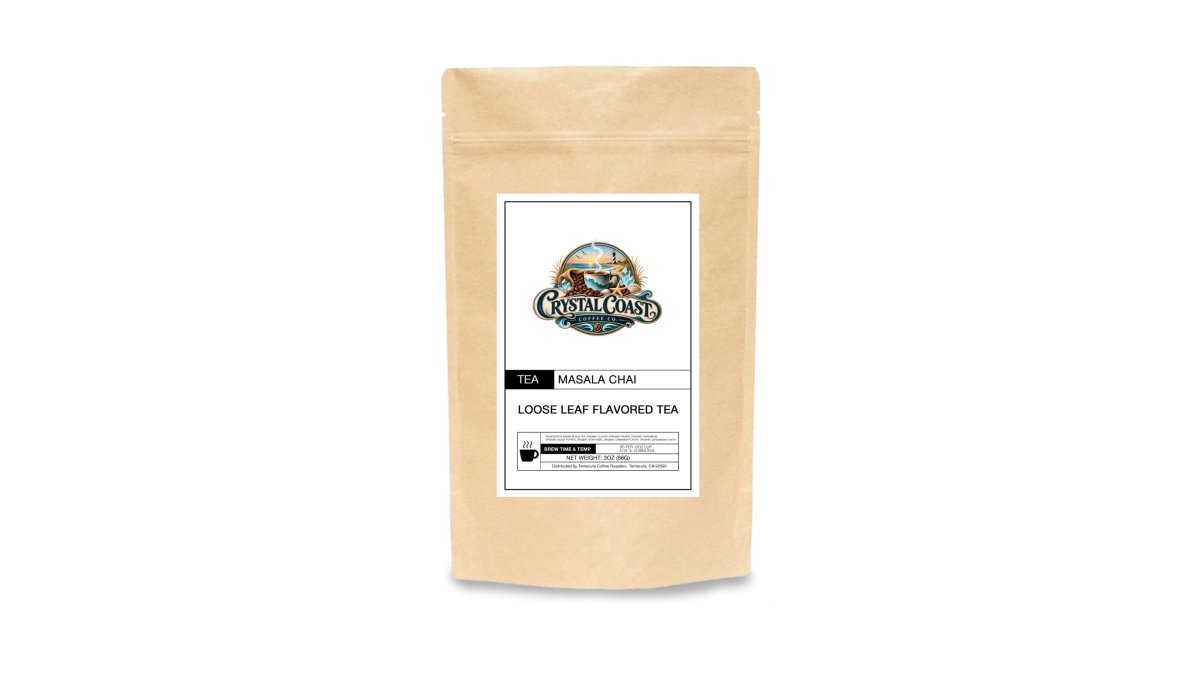
Masala Chai: The Simmered Option
Masala chai is black tea simmered with milk, sugar, and a spice blend that usually includes cardamom, cinnamon, ginger, clove, and black pepper. The spice mix is the point: a warm, full-bodied drink with a lower, slower caffeine load than coffee, which makes it the better afternoon choice for most people.
The traditional method is a stovetop simmer: bring water and spices to a boil, add loose black tea, let it steep, then add milk and sugar and bring it back up briefly. The whole process takes about eight minutes, longer than a coffee brew, which is why it works as a shift-change ritual rather than a quick refill.
If eight minutes is too long on a busy day, make a concentrated batch in the morning and reheat a portion in the afternoon. The flavor holds for a day in the refrigerator.
Masala Chai is the better afternoon choice for most people: full-bodied and spiced, it works with milk and sugar or black, and gives you something to look forward to at 3 p.m. that is not another coffee.
How to Build a Tea Ritual in Your Home Office
A tea ritual in a home office works when the equipment lives in one place and the steps never change. Decide the steps once, then repeat them without thinking.
- Fixed spot: one tray, one whisk or strainer, one kettle
- Fixed time: same two windows each day, typically mid-morning and mid-afternoon
- Fixed signal: a specific mug you use only for tea
- No screens during prep: the two minutes of whisking or steeping is the actual benefit
The signal matters more than the drink. Once your brain links that mug to "shift change," you stop needing willpower to step away.
Healthy Coffee Substitutes for Energy Without the Crash
Healthy coffee substitutes for energy without the crash work by spreading the same stimulant over a longer window, or replacing some of it with flavor and ritual. The crash you are avoiding is usually a timing problem, not a caffeine problem.
Three approaches, ranked by how much they change your routine:
- Blended coffee: keep the coffee, add mushrooms. Least disruptive.
- Tea: switch the drink entirely. Moderate disruption, biggest change in curve.
- Caffeine-free: remove the stimulant. Best for late day only.
For most home workers, option one is the realistic starting point. You are not giving anything up, which is why it tends to stick.
Mushroom Coffee: A Bridge Between Coffee and Alternative
Mushroom coffee is specialty coffee blended with powdered mushrooms such as lion's mane, cordyceps, and reishi. It tastes like coffee because it is coffee. The mushrooms change the character of the cup rather than replacing it.
Our Coffee with Mushrooms Dark Roast and Coffee with Mushrooms Medium Roast use lion's mane, cordyceps, and reishi, traditionally associated with clarity, stamina, and a calmer, grounded feeling. The dark roast suits people who want the flavor they already know; the medium roast is easier to drink across a long afternoon.
If counter space is tight or you travel, Instant Coffee with Mushroom gives you roughly 42 servings from one pouch: add hot water, stir, done. Because it uses real mushroom powder rather than extract, a little natural sediment can settle at the bottom, normal, and a sign the powder is genuine.
How to Choose the Right Craft Coffee Alternative for Your Routine
Choosing the right craft coffee alternative comes down to three questions: when do you need the lift, how much effort will you sustain, and what do you want the drink to taste like.
Work through them in order:
- Timing: morning lift means coffee or matcha; afternoon means chai or a mushroom blend; evening means caffeine-free
- Effort: instant for minimal kitchens, cold brew concentrate for batch prep, matcha for people who enjoy the process
- Flavor: coffee-forward points to the mushroom blends, tea-forward points to matcha or chai
If you answer "morning, low effort, coffee flavor," the answer is a mushroom roast. If you answer "afternoon, medium effort, something warming," it is chai. There is no single best option, only the one that matches your actual day.
Cost-Benefit Analysis: Subscription vs. One-Time Purchase
A subscription makes sense when you drink the same thing daily and know your pace. A one-time purchase makes sense when you are still testing, when your schedule varies, or when you travel often.
The math is straightforward: a one-time bag at $20.99 or $22.99 spread across roughly two weeks of daily cups is a modest per-cup cost and commits you to nothing. The benefit of a subscription is not a lower price, it is that you stop running out midweek and stop paying for rushed grocery-store replacements that sit on a shelf for months.
Run this check before subscribing:
- I have drunk the same blend for at least two weeks
- I know roughly how many cups I make per week
- I have a storage spot that keeps beans away from heat and light
- I know how to pause when I travel
If you cannot tick all four, buy one bag at a time. There is no penalty for waiting, and a pantry full of bags you are not excited about is a worse outcome than paying slightly more per bag.
Common Mistakes When Switching to Coffee Alternatives
The most common mistake is switching the drink but keeping the old timing. If you drank a large mug at 7 a.m. and again at 1 p.m., moving to matcha on the same schedule will not change how you feel. The caffeine curve is different, but the load pattern is identical.
What most guides miss is that the mistakes cluster around two things they never discuss: the sensory environment you drink in, and the true cost of the habit you are replacing. Both matter more for remote workers, who control every variable and every dollar.
Sensory and Ergonomic Mistakes
A remote worker's drink is only half the routine. The other half is where you sit and what surrounds you while you drink it. Common errors:
- Drinking at the desk in the same chair all day. The pause only works if you physically leave the workstation. Standing at a counter or moving to a different chair changes the posture and the mental context.
- Ignoring lighting. A warm drink in a dim room at 3 p.m. deepens the afternoon slump. Positioning your prep spot near a window, or adding a small task lamp, keeps alertness up without more caffeine.
- Fighting background noise instead of masking it. A kettle, a grinder, or a simmering pot produces steady low-level sound that many people find easier to work near than sudden office noise. If your space is too quiet, a fan or a white-noise app at low volume does the same job.
- Skipping the pause. The ritual is half the benefit. Drinking a mushroom blend at your desk while answering email removes it.
- Buying in bulk before testing. You end up with a cupboard of blends you do not like.
- Storing beans in the fridge. Condensation and odors ruin them. A cool, dark cabinet is better.
- Grinding everything at once. Grind what you will use in a few days, not a few weeks.
- Expecting an identical taste. These are different drinks. Judge them on their own terms.
The Cost Mistake Nobody Runs the Numbers On
The biggest hidden mistake is not comparing the new habit to the old one over a full quarter. A home setup, even with a grinder and a kettle, can be a more cost-effective option over time compared to frequent cafe purchases.
Run this check before you commit to any routine:
- I know my current monthly spend on coffee or tea, including cafe stops
- I know how many cups I actually make per week, not how many I intend to
- I have a storage spot that keeps beans and tea away from heat and light
- I have a prep spot that is not my desk
- I know how to pause a subscription when I travel
If you cannot tick all five, buy one bag or tin at a time. There is no penalty for waiting, and a pantry full of bags you are not excited about is a worse outcome than paying slightly more per unit.
One more: do not quit coffee abruptly if you drink a lot of it. Taper over a week or two by replacing one cup at a time. The point is a better routine, not a dramatic one.
Frequently Asked Questions
What are some alternatives to coffee that can help me stay awake while working from home?
Matcha, masala chai, and mushroom coffee are three craft coffee alternatives that support focus without the crash. Matcha provides calm alertness through L-theanine. Masala chai offers bold flavor with moderate caffeine. Mushroom coffee blends like Crystal Coast Coffee Co.'s Dark Roast combine specialty coffee with Lion's Mane, Cordyceps, and Reishi for balanced energy. Each delivers a different ritual and energy curve, so try one for a week to see which fits your routine.
What is a good caffeine-free productivity drink for remote workers?
Herbal teas and mushroom-infused beverages work well as caffeine-free productivity drinks. Reishi mushroom is often called the mushroom of balance for its calming qualities. Crystal Coast Coffee Co.'s Matcha and Masala Chai offer lower-caffeine options that still provide a satisfying ritual. The key is finding a drink that gives you a reason to step away from the screen, refill your cup, and return with fresh focus.
How do I choose a healthy coffee substitute for sustained energy?
Look for healthy coffee substitutes for energy that combine flavor with functional ingredients. Mushroom coffee with Lion's Mane and Cordyceps supports clarity and stamina. Matcha provides L-theanine for steady focus. Avoid sugary syrups and artificial creamers. Crystal Coast Coffee Co. roasts to order, so you get maximum freshness. Start with a medium roast mushroom blend if you want the coffee taste with added functional benefits.
Are premium tea options worth it for a home office setup?
Premium tea for remote workers offers a ritual that instant coffee cannot match. Crystal Coast Coffee Co.'s Matcha is crafted for traditional preparation, and Masala Chai brings bold spice to your afternoon break. The act of preparing tea creates a natural pause in your workday, which supports focus and reduces the urge to snack. At $20.99 per pouch, it costs less per serving than most cafe drinks.
What if I do not like the taste of mushroom coffee?
Start with a medium roast mushroom coffee rather than dark roast, since the lighter roast lets the mushroom blend integrate more smoothly. Crystal Coast Coffee Co.'s Coffee with Mushrooms Medium Roast uses Lion's Mane, Cordyceps, and Reishi without artificial flavoring. If you prefer no coffee taste at all, try the Instant Coffee with Mushroom or switch to Matcha for a completely different flavor profile. Order one bag before committing to a subscription.